Why the Leica M Still Feels Like Home
A Camera That Disappears
Lately, I’ve realized my camera choice depends less on specs or features and more on one thing: connection. I keep returning to the Leica M because it offers a unique, natural bond that makes the camera feel like an extension of myself. That sense of connection matters most to me.
This connection with the camera and subject, not technical superiority, drives my decision. I’m not claiming that one system objectively wins. The SL system, especially the SL3-S, is exceptional. However, after testing the SL system, I’m back to using the Leica Q3 43, as the latest firmware update resolved the AF issues I had with the Q series.
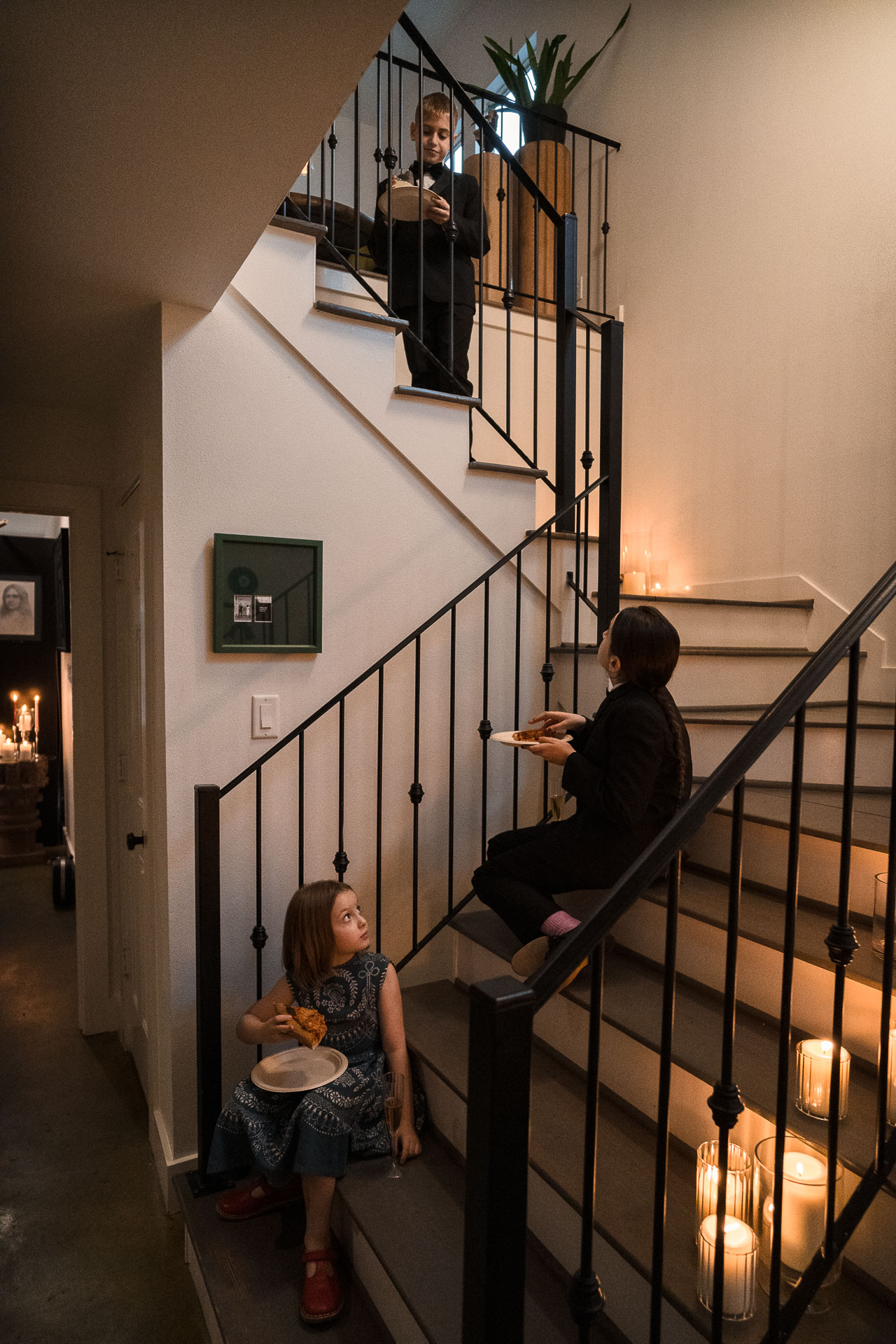
Living With Both Systems
I used both the M11 and SL3-S, often with the 50mm Noctilux. The M11 is certainly lighter, more instinctive, and familiar.
Even ideal setups on paper can fall short in use. I used the SL3-S exclusively for several weddings. I tried it with the Sigma 50mm f/1.2 and Leica lenses like the SL Summicron f/2 and 28 Summilux. I experimented with carrying styles to adjust to its weight—grips, double shoulder straps—hoping to get comfortable.
Despite all my efforts, the M cameras always came out on top.
Each experience has led me back to the same answer.
The Way the Cameras Sit
Wearing the M11 on my chest with the M10-R or Q3 43 just below still feels most natural. They sit where they should, move quietly with me, and are ready for use. Recently, I had to send my M11 off for repair, so I took the opportunity to get the new M EV1. Initial results are mostly favorable, especially since my 28 lux is slightly misaligned. Via the EV1’s EVF, everything is tack sharp.
I am always seeking ways to make long wedding days easier on my body, and, equally, on a film set for Unit stills and BTS, or, of course, for street photography with the M cameras, like using a handmade English Strapateer strap. As the day wears on, this matters more especially around my neck and lower back.
People often dismiss camera weight as minor or abstract. But on a wedding day, you see what matters physically. A camera that feels fine for twenty minutes is different after ten hours. Carrying, lifting, moving, and bending add up. Small changes in weight, balance, and size stop being numbers—they affect your body.
During long shoots, I never stopped feeling the SL3-S’s weight and presence. When I’m at my best, I want to stop thinking about the camera as soon as I can.
I want to focus on the small, emotional wedding moments—the things that matter—and let the camera fade into the background. The M does that best for me.
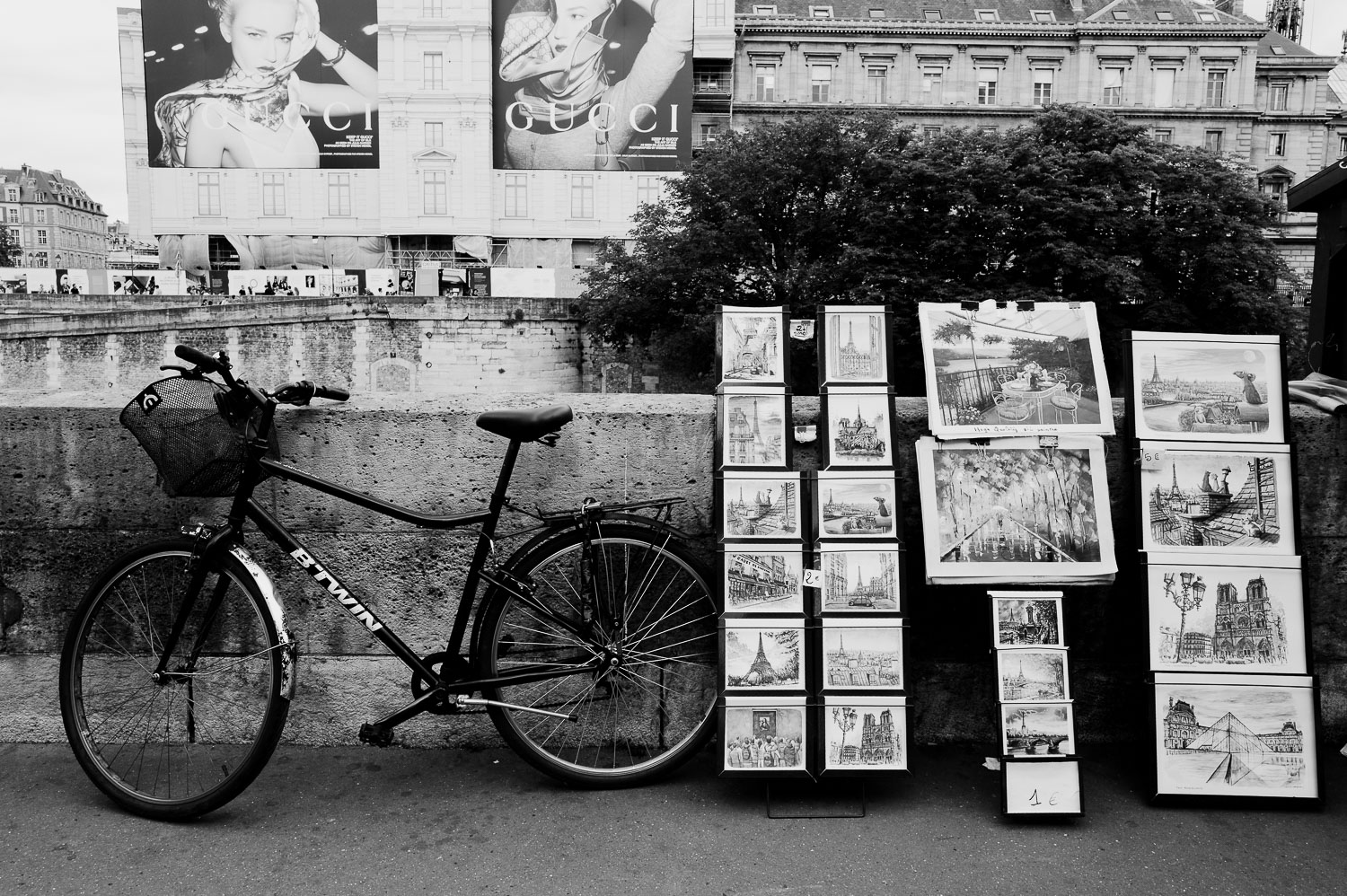

Where This Began
Maybe I shouldn’t be surprised. I started using the Leica M9 in 2010, and I think that camera shaped me for good. It taught me more than just a camera preference—it taught me patience and attention. It showed me that photography can feel both quiet and immediate. It taught me to trust my eye, to anticipate instead of just react, and to commit to a shot.
That way of seeing became part of me early on, and it’s never really left. So when I say I’m back to using the M11 and M10-R, it doesn’t feel like just switching gears. It feels like returning to the first language I learned to think in.
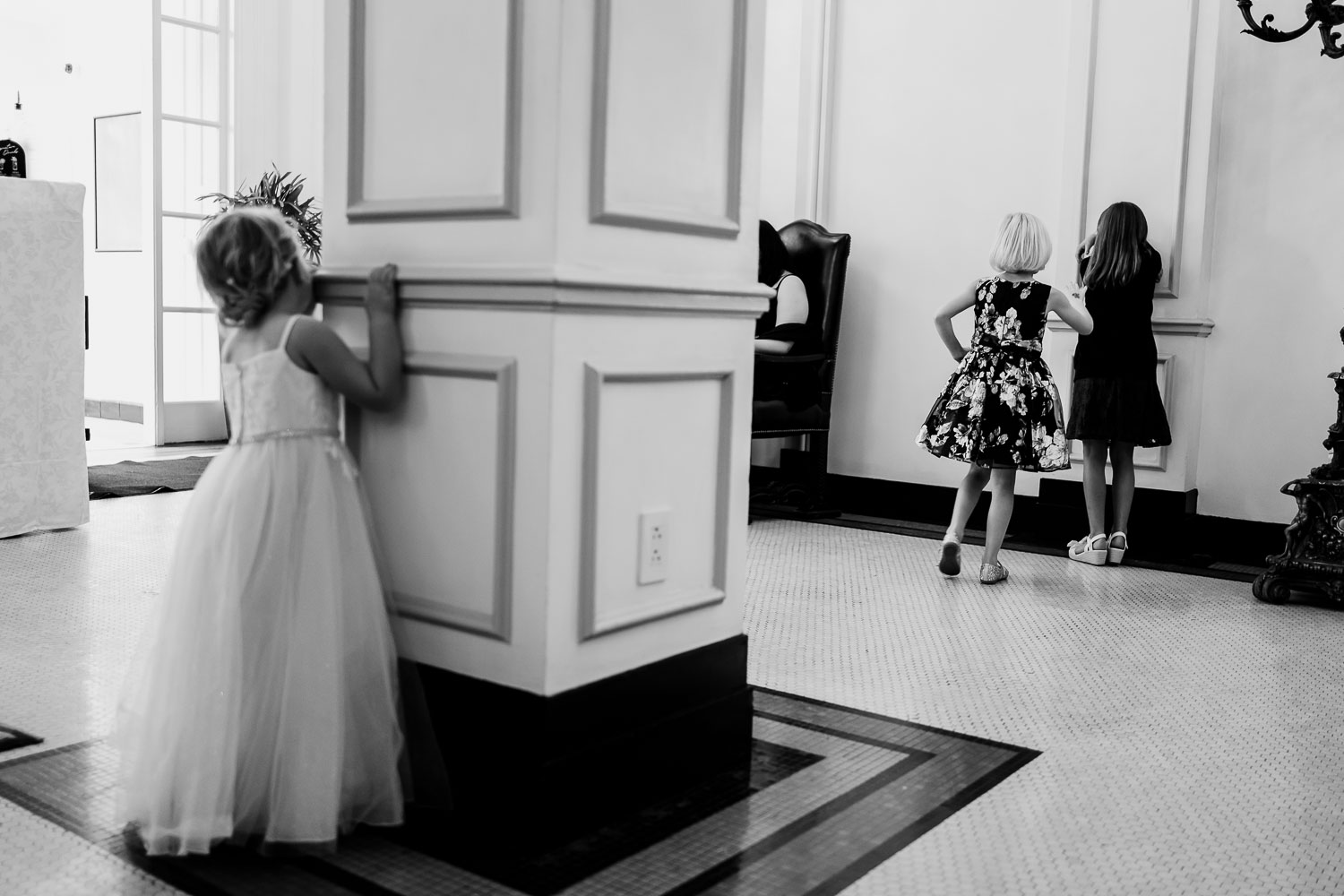
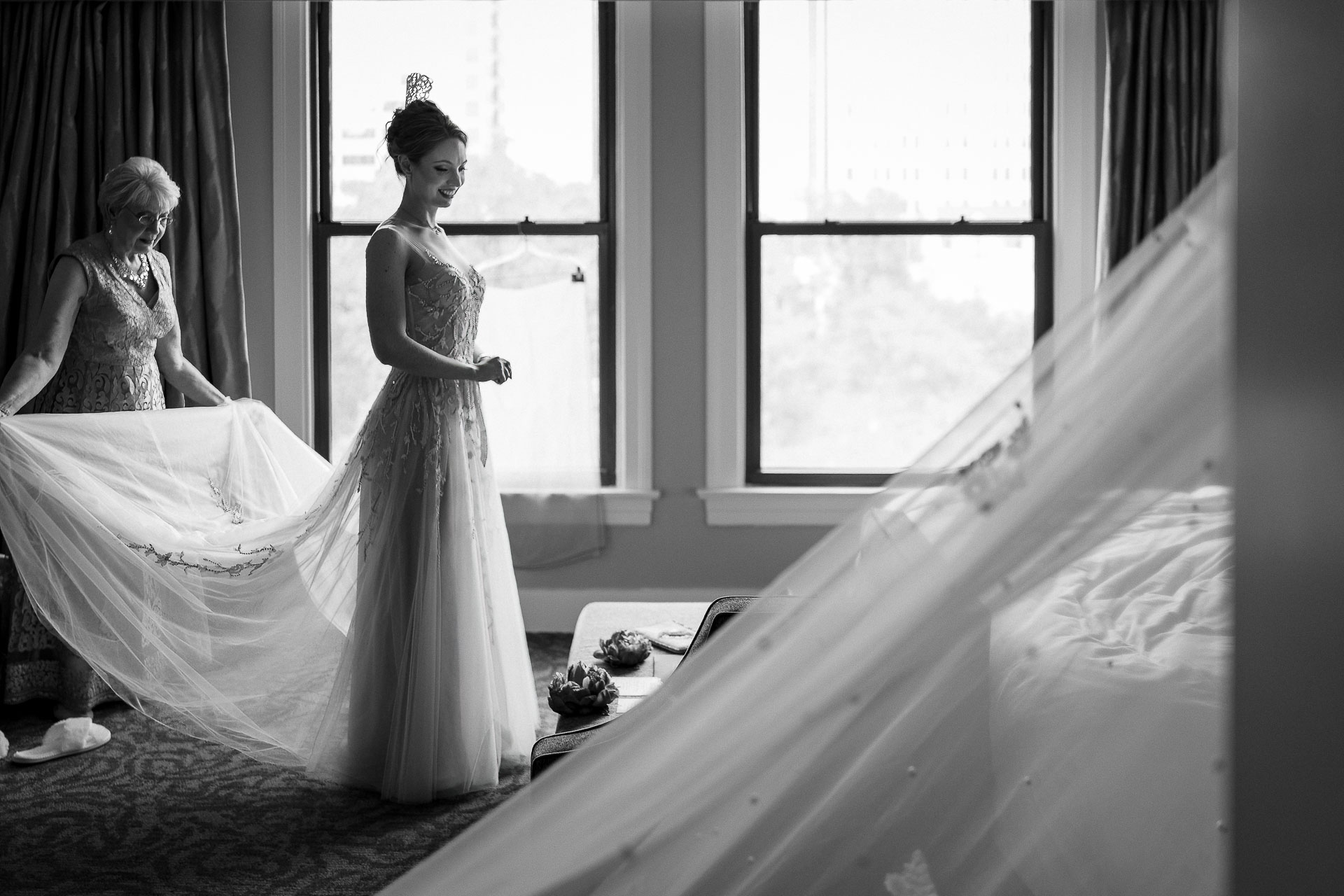
The Rangefinder Experience
For me, the rangefinder is the biggest part of that feeling. It’s still hard to explain to people who haven’t used one, because it sounds like just a technical detail. But it’s not, or at least not only that. It changes the whole experience of taking photos.
With the M, I’m not looking at an electronic viewfinder. I’m not seeing a digital version of the scene. I’m looking through a clear, bright window at the world. I see directly, and I can see around the frame—not just through it. That difference matters a lot to me.
It helps me feel more connected to my subject than to the camera itself. With no autofocus distractions or blackout, the scene continues before, during, and after I take the picture. I stay in the moment and never feel cut off from it.
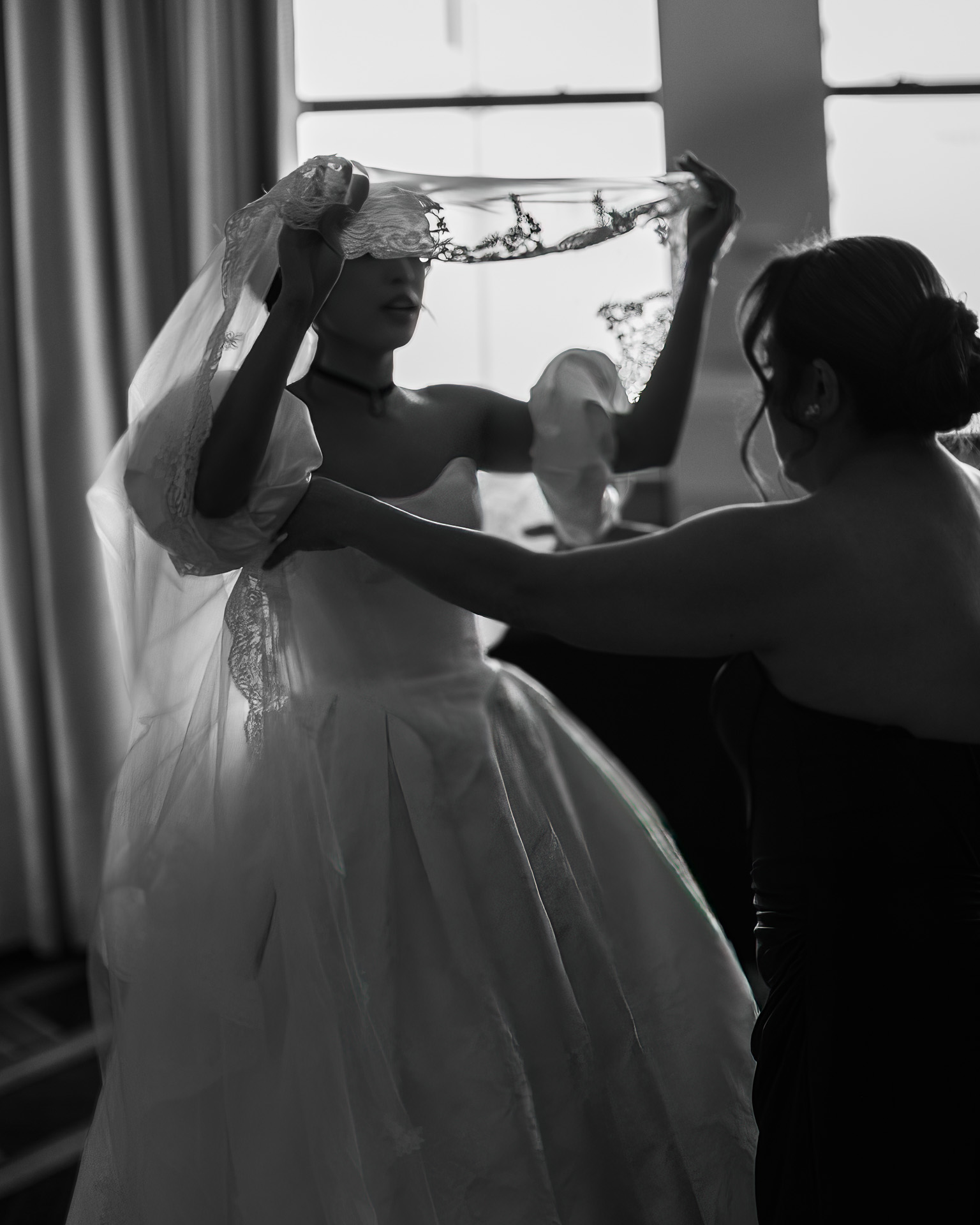
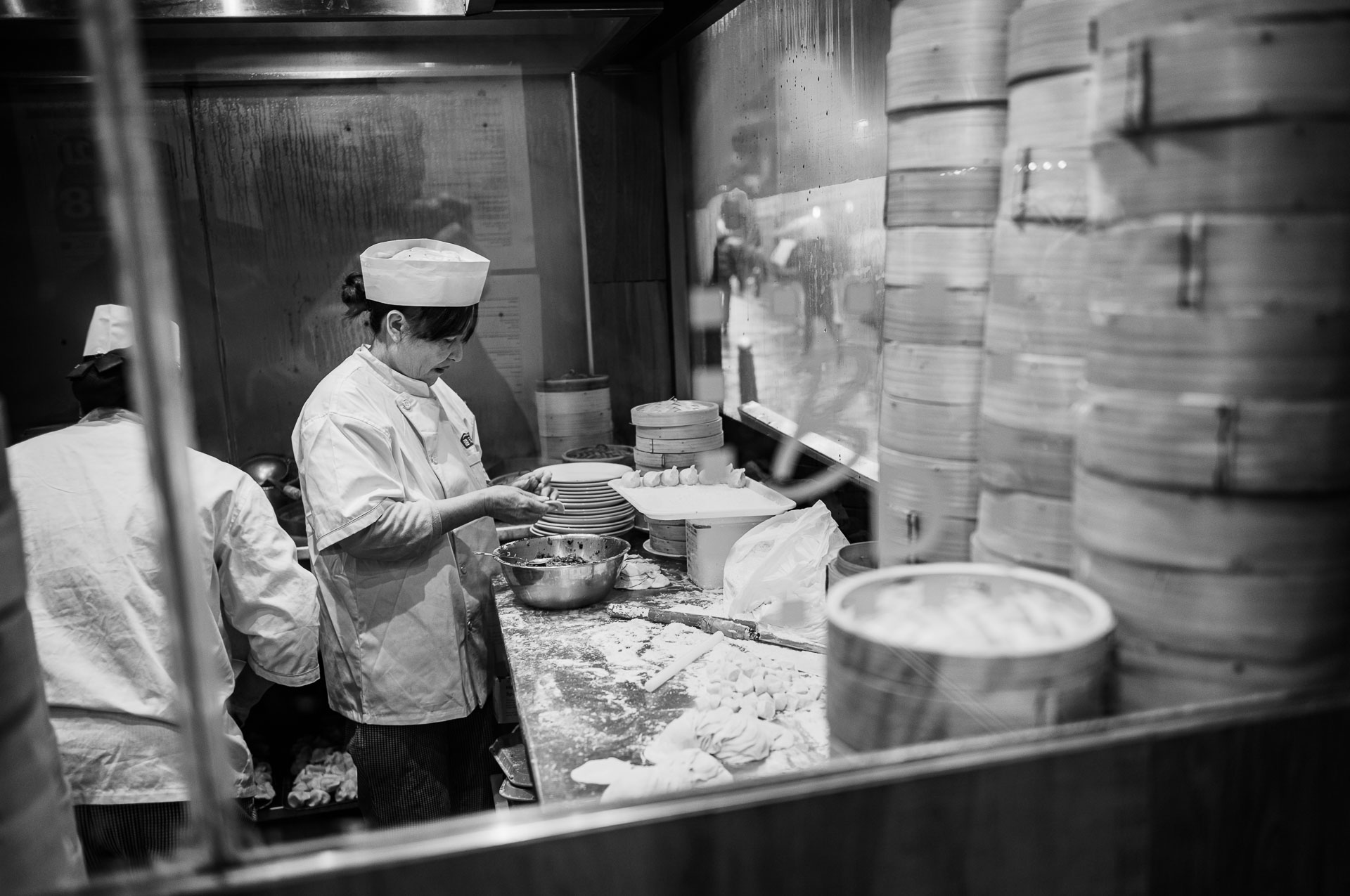
Staying Close to the Moment
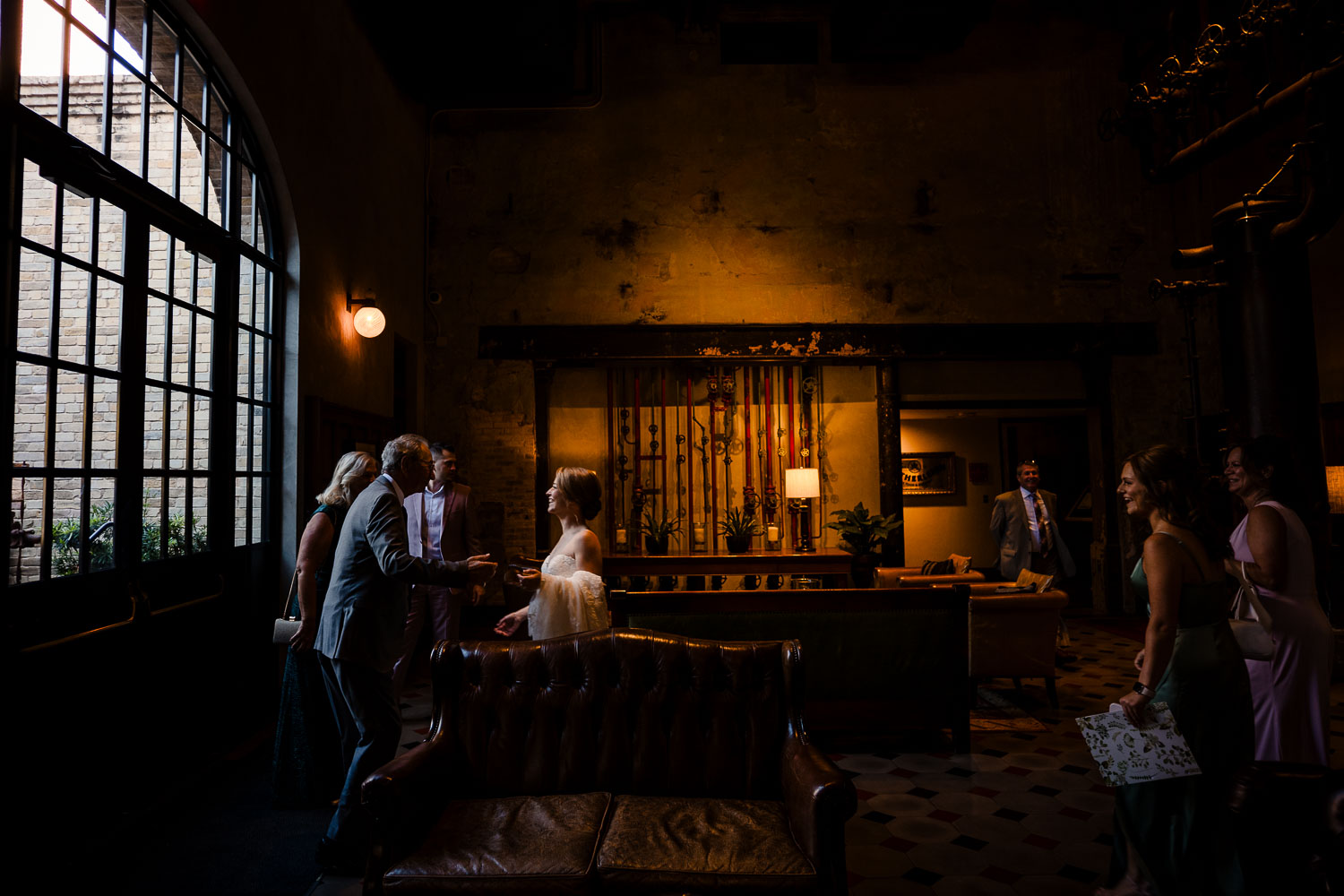
That sense of continuity is one of the things I love most. At weddings, so much happens in the transitions—not just the big moments, but the little things around them. The breath before a tear, the glance before a laugh, a hand entering the frame just before it matters. A slight turn, a pause, a tightening of the mouth, or a quick look between two people. Sometimes, that look says everything.
What Street Photography Teaches Me
The rangefinder helps me stay close to that way of seeing. It’s slower, but I now realize that’s actually the point. Manual focus makes me pause, anticipate, and commit to the moment. I appreciate that.
I think that’s because it still connects to how I first learned to see, back in my street photography days. Street photography taught me to watch, wait, and notice. It taught me to read movement, gestures, and small emotional changes. I learned that a great photo often happens just before or after the moment most people expect. I learned restraint, and that anticipation is often more important than reaction.
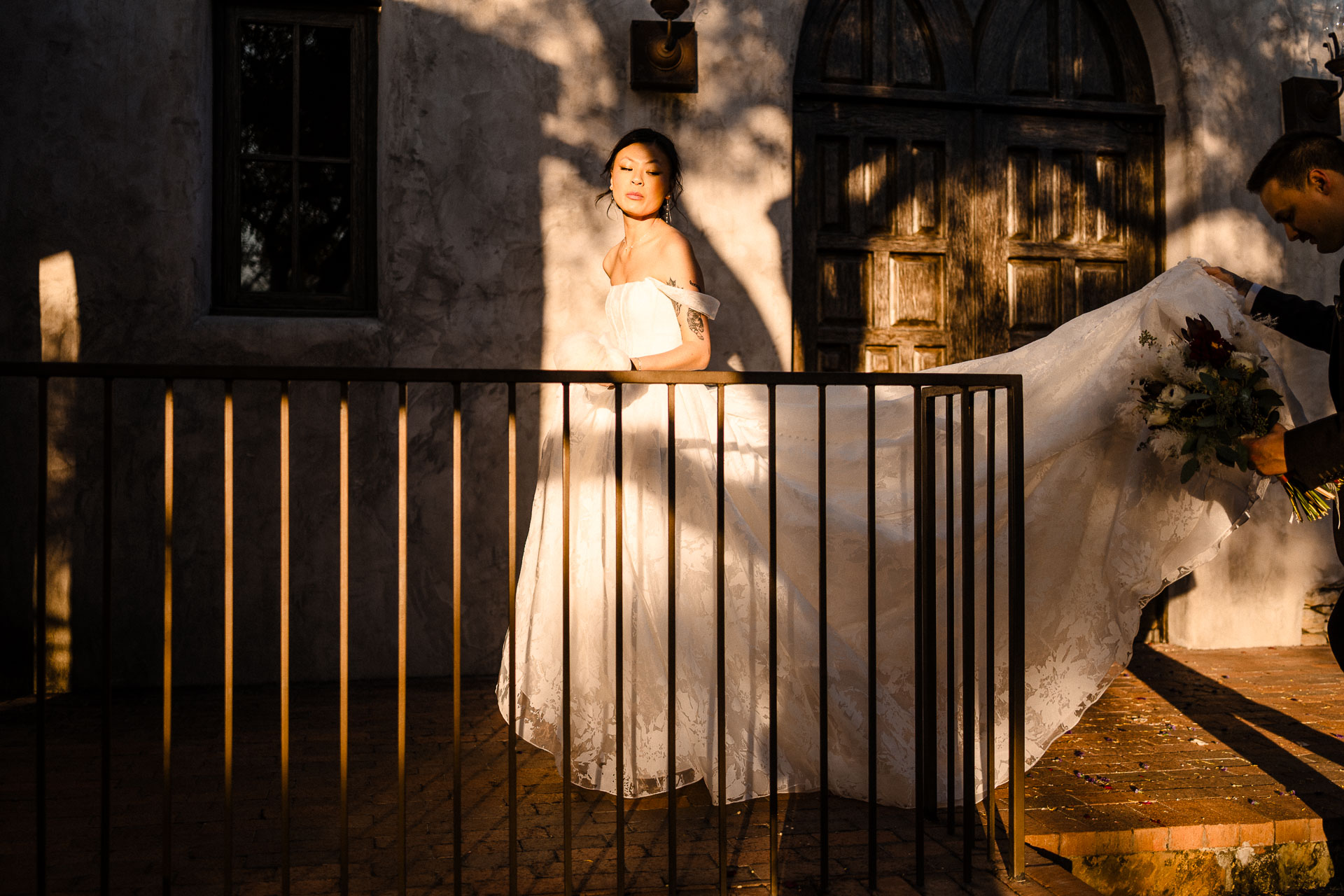
That’s still how I shoot today. Even at weddings, after all these years, I still look for those moments. I follow gestures and timing, and I’m drawn to what feels unguarded, unscripted, or half-hidden. I try to stay open so a moment can reveal itself instead of being forced.
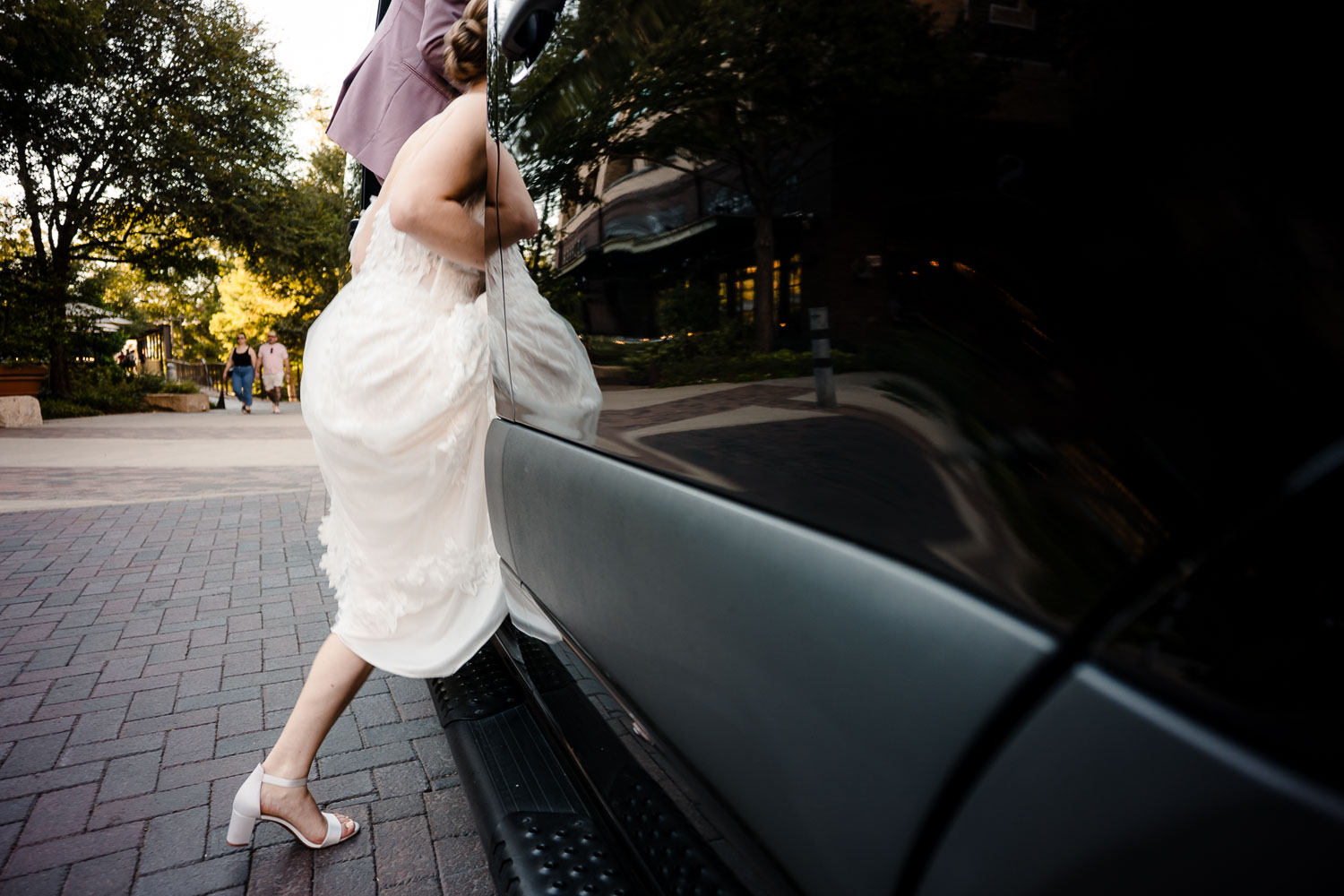
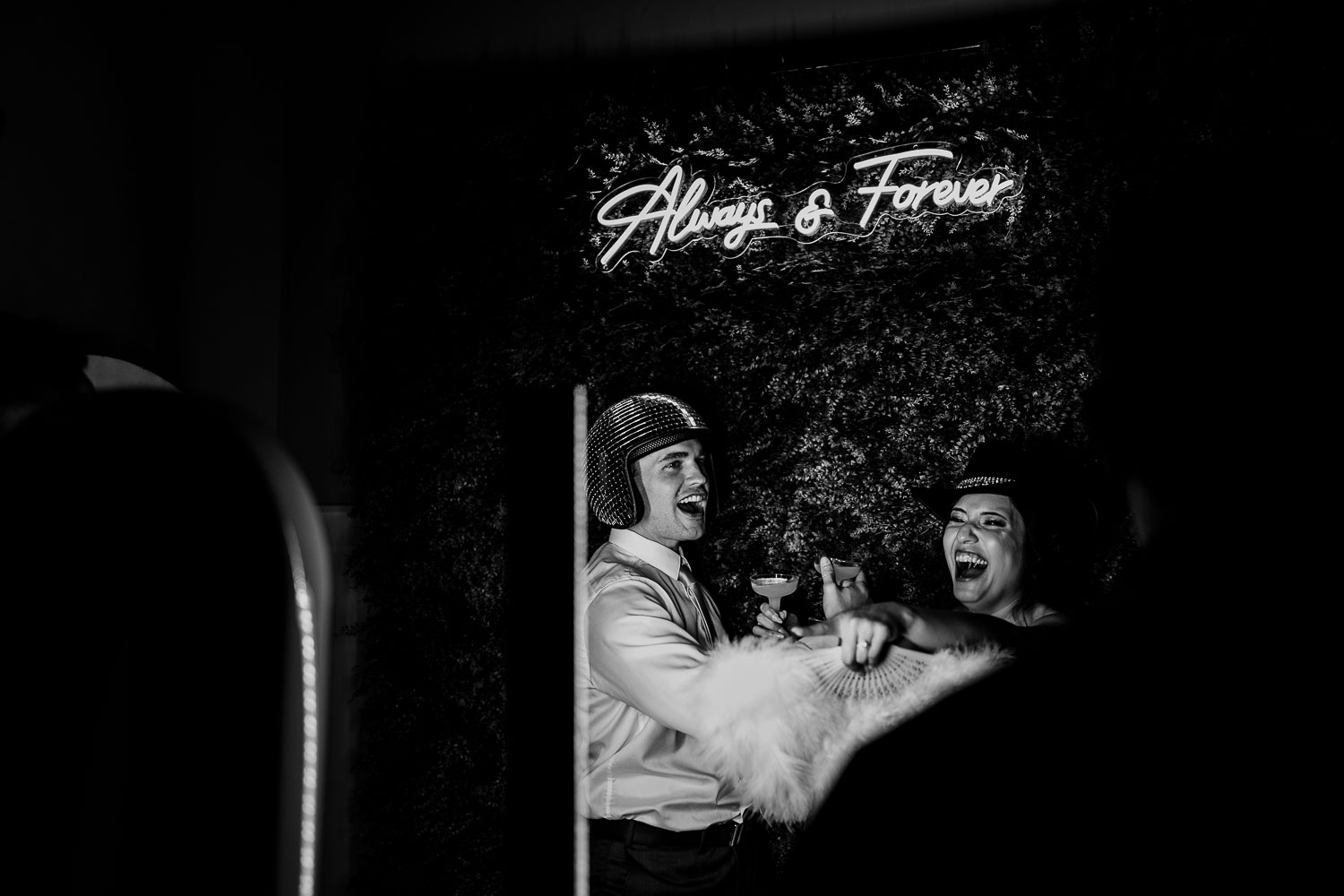
Why the Lenses Matter
The M supports that way of working because it doesn’t get in the way. The lenses matter too, maybe more than I can really explain. The Sigma 50mm f/1.2 is a fantastic lens. I really do get why people love it. It’s fast, capable, and optically impressive in every modern way. The perfectly corrected look of many modern lenses—Sigma, Leica SL, and others—can be beautiful.
But after a while, I started to miss something in that perfection. Sometimes, that perfection feels too finished, too clean, and almost sterile. I don’t always want a lens to smooth out every flaw. I don’t want perfection to be the main thing in a photo. I want atmosphere, mystery, and character. I want the image to feel alive, not just flawless.
That’s what I still find in the M lenses. They render images differently—less clinical, more emotional, with presence. Somehow, they just feel more human.
Why I Keep Coming Back
This is why I keep coming back to the Leica M system. My time with the SL3-S and Sigma 50mm f/1.2 only sharpened what truly matters to me: connection. I don’t just want to be impressed by a camera. I want a meaningful experience—a camera that feels right, encourages my way of seeing, and disappears in my hand so I can focus on my work. The M system delivers that like nothing else.
Most of all, I want to work in a way that feels true to who I am. After all my experiments and honest efforts to make the SL3-S my main camera, I came to a simple conclusion. I returned to the Leica M because it still feels like home.