UPDATED May 2026
How to Become a Wedding Photographer with Staying Power
Update: May 2026. My thinking has changed over time, so I’ve updated this piece with new insights. Maybe you’re looking for tips to succeed in this industry, or you’re just curious about how to begin.
You’ll find most of what you need here. My best advice is to stay curious. Try to see the world like a five-year-old. If you keep that curiosity, it will stay with you for life.
Second, the moment you think you’ve made it, no matter how you define success, you stop growing. An artist can never truly call themselves a success. If you start believing your own hype, your ego gets in the way, and your art stops improving. Always stay humble. This is hard today, but try not to depend on praise from yourself or others, especially on social media.
Your own style will show up as you keep working. You’ll know you have it when people around you start to notice.
I’ve worked as a professional photographer for over thirty years and shot weddings for twenty. Most of what I’ve learned came from my mistakes. For me, it’s been a journey of discovery and personal growth. Photography isn’t about getting rich, though you can earn a good living. It’s really about the journey.
GOALS: WRITE THEM DOWN!
Start by setting some goals for yourself and writing them somewhere you’ll see them often. Make a checklist with realistic goals for the month and year. Your list can be as long as you like. Put sticky notes on your bathroom mirror or stick a list on your fridge. The point is to see your goals every day.
List your passions. Try to read and learn about art and photography every day. If buying books isn’t possible, borrow them from your local library. Find inspiration. Stay active and keep fit. Meditate if you enjoy it. Keep practicing your art. Take photos for yourself and work on your skills. Get to know your camera so well that you can use it without looking at the dials or aperture. Practice using it in the dark.
Be patient and develop grit. Try to keep a positive attitude when things go wrong, and good things will come naturally over time.
Look for a mentor you can learn from. Call your favorite photographer and invite them for coffee to ask questions and get advice. These days, most photographers are open to sharing their experiences. There are hardly any secrets left, thanks to Google.
If you want to be a successful wedding photographer, first ask yourself why you chose weddings. Many people start here because it’s an easy way to begin. To succeed, you’ll need to build a reputation for quality and integrity, which takes time. Also, consider what success means to you.
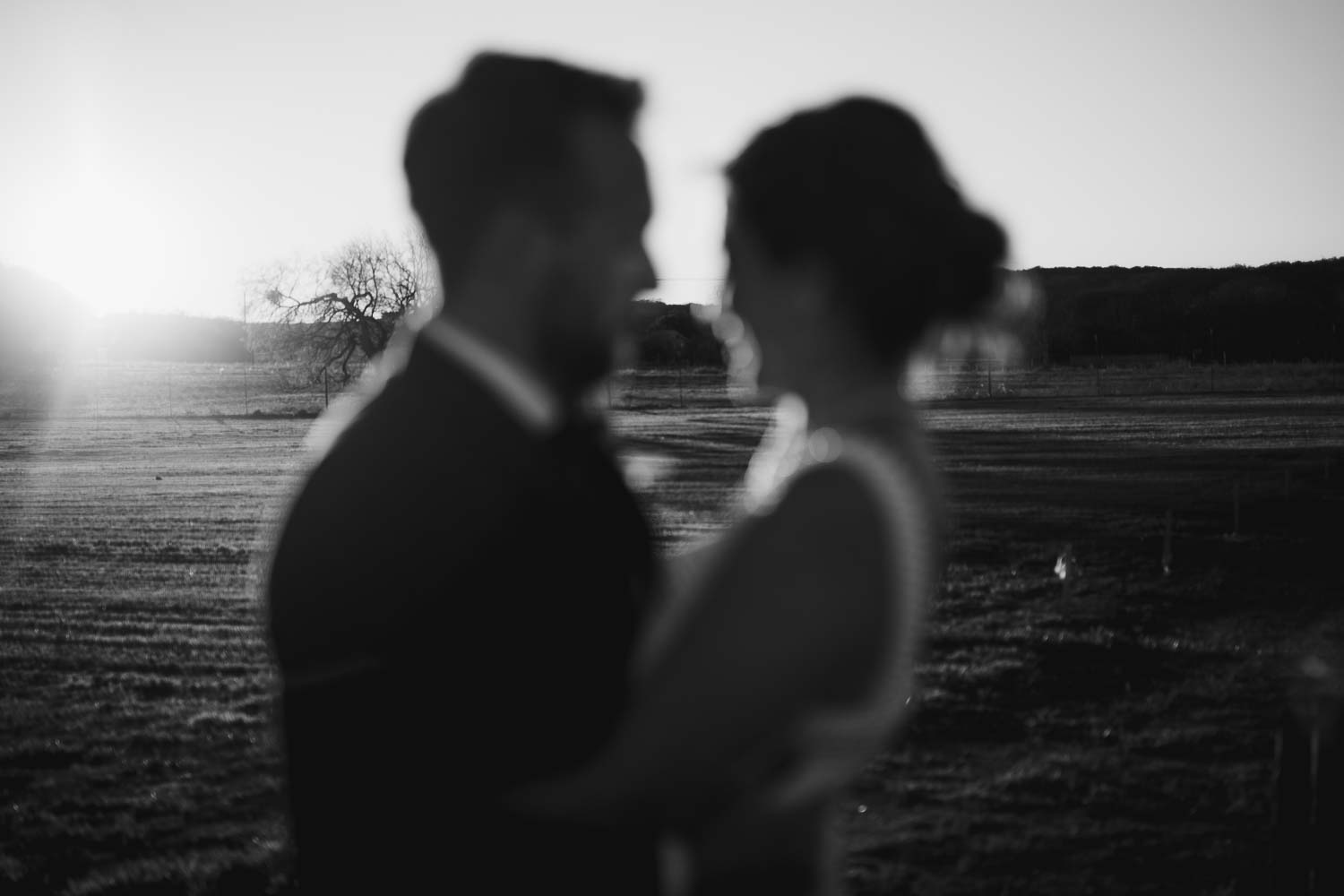
Is there a fast track?
The answer is simple: there isn’t a fast track. Success in anything takes a lot of effort, time, passion, dedication, self-determination, discipline, and perseverance. You need to nurture and develop your talent. Here are some ideas to help you get started.
Second shooting
How do you begin shooting weddings? The most common way is to start as a second shooter or assist a wedding photographer. Don’t shoot a wedding without experience first, since you would be risking a couple’s special day, and they only get one chance.
Work with a photographer whose style you like. Ask if they need help or are looking for an assistant. Many will say no, but don’t take it personally. Keep practicing. If you call, leave a short, clear voicemail and follow up with an email that includes a link to your best work. If you haven’t shot any weddings yet, show your enthusiasm to learn by offering to help with anything—carrying bags, setting up lights, or whatever they need.
Many good photographers are simply too busy to spend the time and energy needed to help someone new. It’s nothing personal. There are exceptions, so don’t give up. I reply to every photographer who emails me, and once a year, I help someone learn the ropes. I remember what it was like starting out. We’ve all been in your shoes.
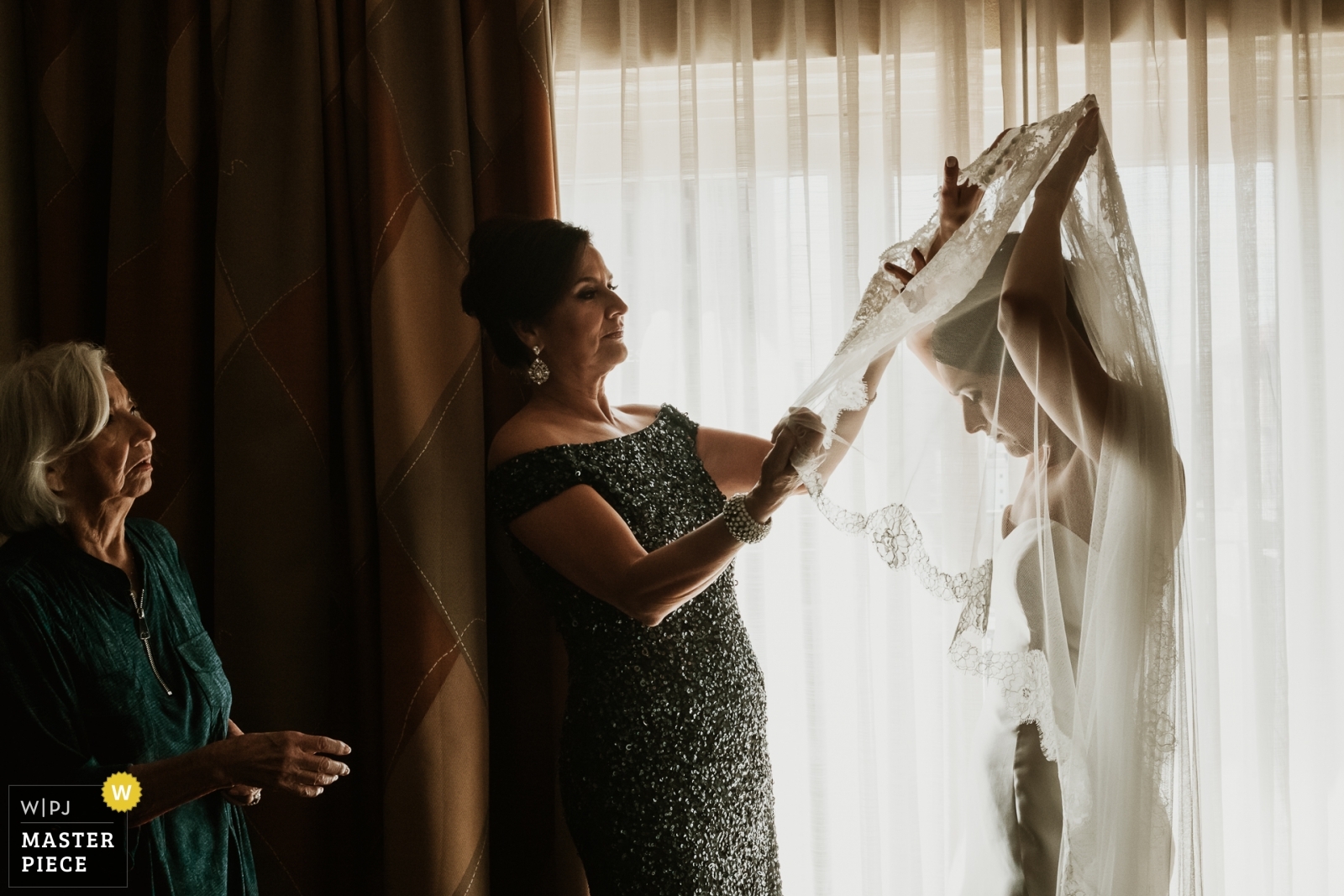
The right approach
Weddings are intense, adrenaline-fueled, and can be very challenging—especially for photographers. That’s not even counting how the bride and groom feel. Part of the job is having the right attitude, being polite, and being ready to handle many roles. The rest is about keeping your promises to the client and going beyond what they expect.
These days, it feels like anyone can shoot a wedding. If you search for wedding photographers online, you’ll find hundreds in your area. At most weddings, almost every guest has a camera. There’s always that one uncle with a bigger camera, a long zoom lens, and a huge flash. He probably thinks the ‘P’ on his camera stands for ‘professional.’ Jokes aside, wedding photography is all about having the right attitude. You really need to enjoy working with people. If you don’t, wedding photography might not be the best fit for you.
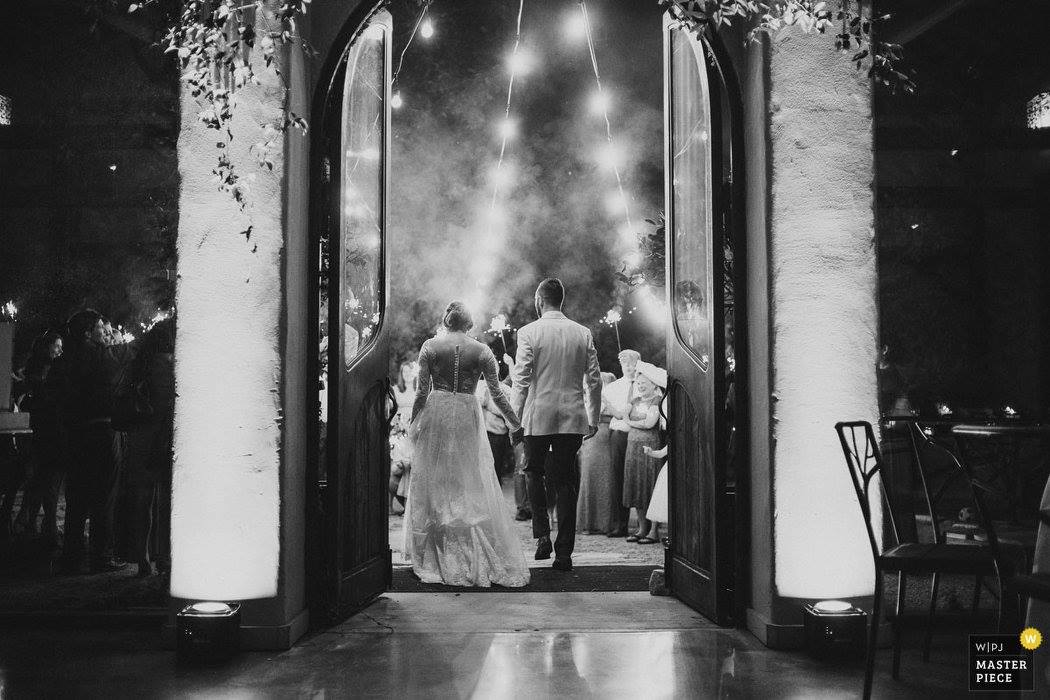
The client meets up.
An online portfolio is important for attracting potential clients. Share images that show your personality and style. When I meet clients on Zoom, we usually spend most of the time chatting and getting to know each other. The meeting is relaxed and informal. If a client wants to meet you, you’re probably already one of their top choices. If you’d rather meet in person, choose a favorite coffee shop. Meeting somewhere familiar can help you feel more at ease.
In my experience, talking about pricing comes later. Most of the time, the bride or couple is deciding if you’re the right fit and if they can picture you spending the whole day with them. I share my approach and a little about how I work, but I focus on making sure we’re a good match. I also explain that I need to photograph their day in a way that feels natural to me and lets me tell their story without being intrusive.
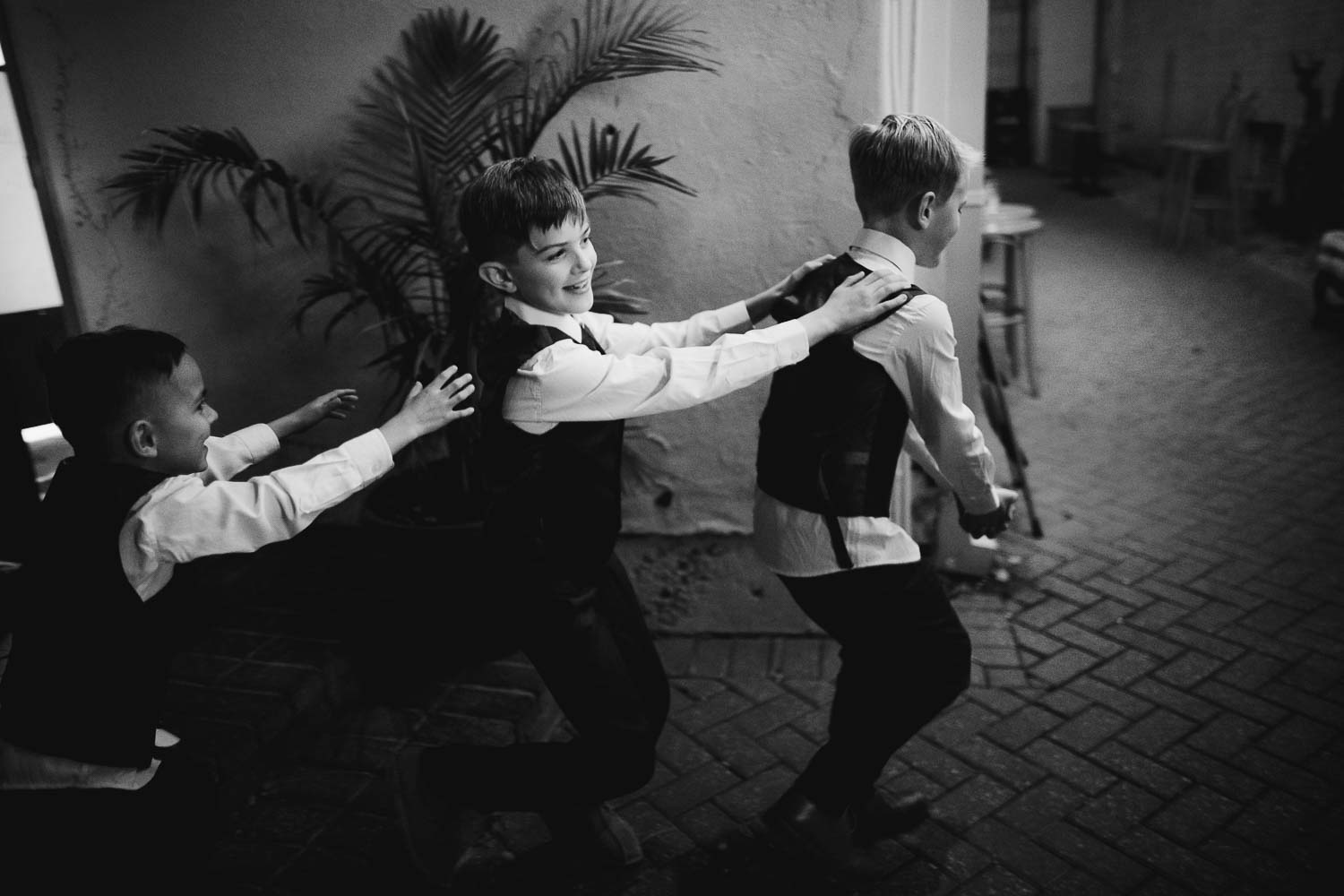
Equipment
If you’re just starting out, I recommend having two camera bodies: one with a 24-70 zoom lens and another with a 70-200 lens. This setup will cover most situations. It’s also a good idea to have a third camera body as a backup. Make sure your gear is reliable. If your budget allows, spend more on sharp, fast lenses rather than the most expensive camera bodies. Try out different cameras to see what feels right for you. Renting from a local store is a good option, and you can use rentals as backups, too. Don’t forget a small flash and get insurance for your equipment.
I’m second shooting already.
Let’s say you’ve already shot a few weddings as a second or third shooter and you really enjoy it. Maybe you’re now thinking about going full-time, or at least working weekends. Or you might be happy to continue as a second shooter alongside the main photographer.
Turning it into a business
You need a plan and a budget. I suggest saving enough cash to cover both your wedding expenses and your living expenses for at least 6 months. Make sure to pay yourself first. Even if you think, “I don’t need to pay myself,” remember you still have bills, rent or a mortgage, and utilities to cover. Think about the cost of your gear and what it takes to set up your business properly, including equipment and liability insurance.
I really encourage you not to base your prices on what others are charging. Instead, look at your own lifestyle, expenses, and the number of weddings you want to shoot each year. Everyone’s pricing is different, and setting your rates based on someone else can hurt your profits.
Expenses per month, unless noted:
* Large Capital Expenditures: Camera gear $3000-$10,000 (basic gear, two cameras, two lenses. You have some of it already.)
* Website hosting $10-$50
* A lawyer $300-$1000 (to check and create contracts, legal advice)
* Advertising $500-$1000
* Office Expenses $500
* Cost of sales- producing those images/prints/albums 10% to $25% of total revenue
* Shipping and mailing $30-$100
* Gas/petrol $100-$200
* Accountant/bookkeeping $300-$500 a year
* Salary 50% of total revenue
These expenses are different for everyone. No business is alike. Also think about whether you will have a studio space or meet clients at a coffeehouse or hotel. Things can add up pretty quickly. And then, what do you charge for a wedding? How many do you need to book in a year to break even?
It is easy to start feeling overwhelmed. It all comes back to loving what you do with a passion. You will get past the challenges.
Set yourself up as an entity.
In the USA, you apply for an EIN and must register as an LLC or S-Corp. Some research is required on your part on where you live. Every state has a different set of rules. I do not recommend your entity as a personal proprietor.
Taxes
In Texas, where I reside, I charge sales tax on all sessions. All my collections include sales tax. I pass the tax on to the state after collecting from clients. Once a year, I also complete the franchise tax paperwork and pay estimated income tax quarterly.
Budgeting
There are plenty of helpful software options to make budgeting easier. Tave, Successware, 17Hats, and Studio Plus are just a few, and they’re designed specifically for photographers. Besides budgeting, remember to track your expenses, open a business checking account, and use business credit cards.
Be sure to keep your personal and business accounts separate. You’ll also need a good accountant who understands your costs and can help you choose the best business structure. Later on, consider starting a retirement savings plan if you haven’t already.
Connect with other photographers and keep learning about what interests you. There are conferences all year round. In the US, I found PPA and WPPI especially helpful when I was starting out, and now there are even more online resources. Many photographers are happy to help and truly want to see you succeed.
Take time to learn about SEO for your website and keep improving your photography skills. If competitions motivate you, enter a few. Visit exhibitions, study other photographers at your local library, and attend workshops. These are extra costs to keep in mind for your business.
All of these steps have helped me. I still buy books to inspire myself, and I think they make me a better photographer without me even realizing it. In my view, photography books are better than online learning because you can always go back to them.
Life Balance
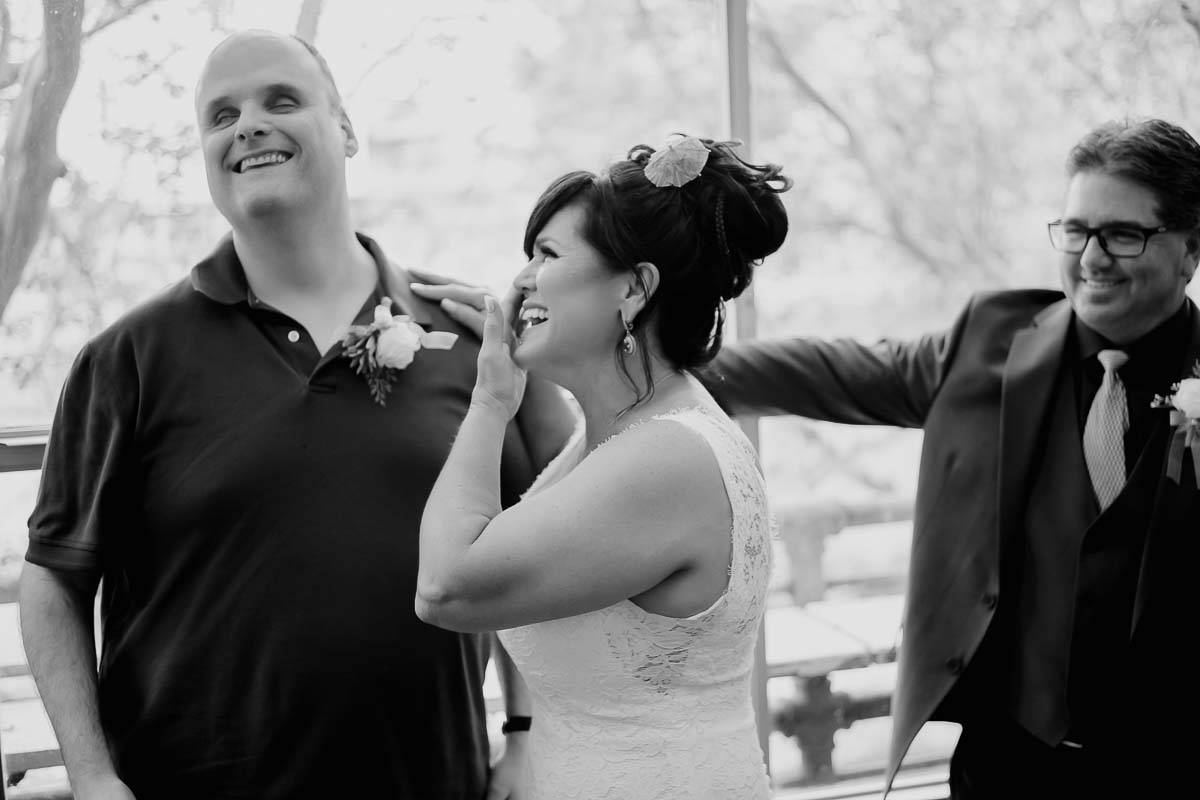
I work as a full-time photographer. Keeping a healthy balance is key to avoiding burnout. I split my time between paid work and personal projects, like street photography and capturing moments from my daughter’s daily life. Most weeks, I spend about 80% of my time at the computer, editing, marketing, meeting with vendors and clients, preparing agreements, handling accounting and bookkeeping, and writing blog posts. Altogether, that adds up to around 40 hours each week.
My family life keeps me busy, but I’ve found balance by outsourcing some tasks and using new technology to design albums and edit photos. I still handle the basics myself, but I don’t work long hours anymore. After a house fire a few years back, I realized what really matters and decided to focus on a more balanced way of living.
When you work for yourself, it’s really important to find a good balance between work and play.
After twenty years of shooting weddings and street scenes, I’ve learned to enjoy life more by outsourcing some parts of my work. Otherwise, I’d end up working late nights again, which would take time away from my wife and kids. Every parent knows what it’s like to miss out on sleep! You can’t do everything, so remember this as your career grows.
Final Thoughts
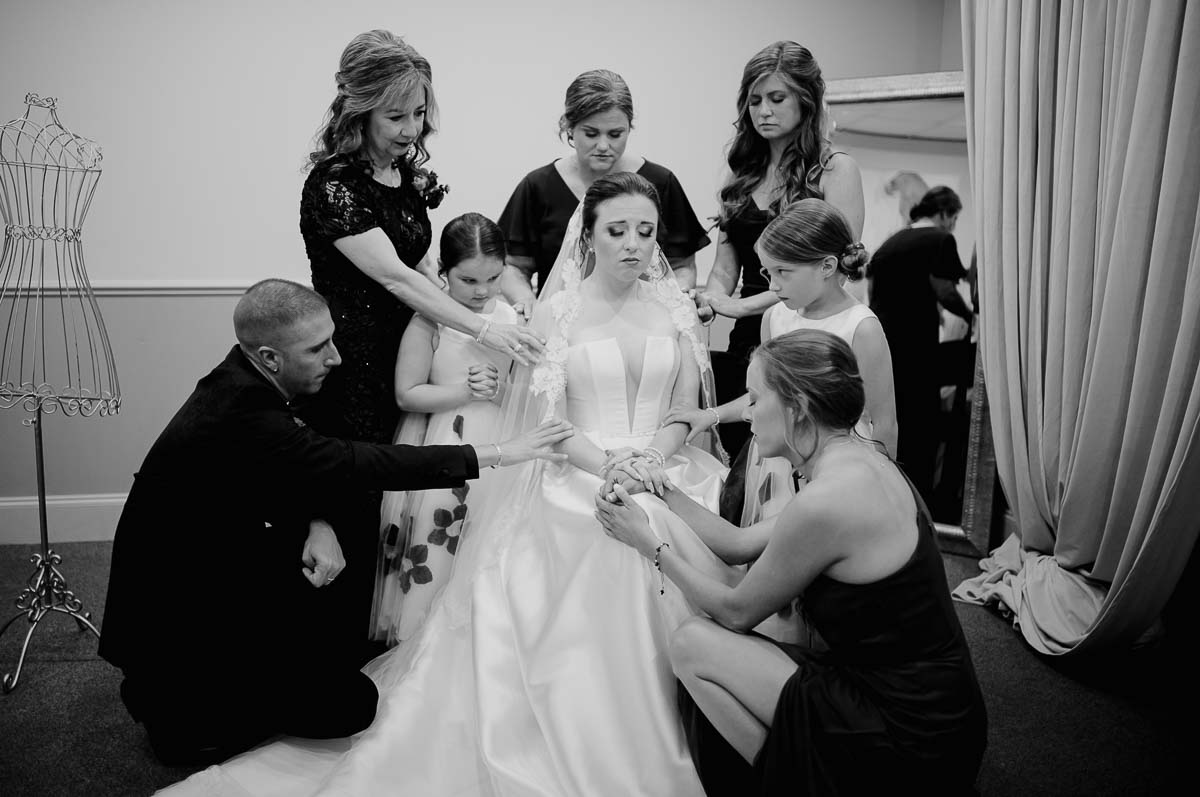
If you remember one thing from all this, let it be this: If you’re just starting out in wedding photography, trust yourself. There’s a lot of negativity online, but focus on shooting for yourself first and your client second. Happiness matters most, and success isn’t just about money. Finding balance in your life is what really counts. Photography is a journey, and everyone’s path is different. Here are some lessons I’ve learned over thirty years as a photographer.
Resources
I’m a member of the PPA, which is a great group that supports professional photographers. They offer helpful information on pricing, and you can find their latest wedding and portrait photographer benchmarks here. There’s a lot of useful advice to explore. Over the past fifteen years, I’ve used these benchmarks to improve my business and workflow.