What to Expect from a Documentary Wedding Photographer
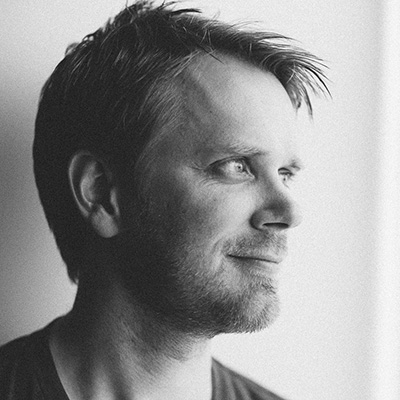
Article by Philip Thomas – May 2026
Choosing a documentary wedding photographer is not only about liking candid photographs. It is about trusting someone to observe your wedding day with patience, timing, and restraint.
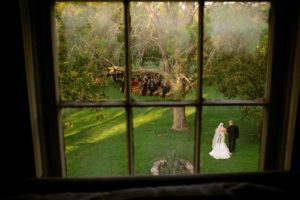
After more than three decades as a professional photographer, including twenty years photographing weddings, I have learned that the most meaningful images are often not the ones anyone plans. They happen in the spaces between the schedule: a parent watching quietly from across the room, a quick squeeze of the hand, friends laughing before the ceremony, the deep breath just before walking down the aisle.
My background began in press photography in the UK, where you learn quickly that real moments do not wait for you. You either anticipate them, or they are gone. That experience shaped the way I photograph weddings today. I work quietly, pay attention to body language, light, emotion, and the small shifts in a room that often signal something is about to happen.
That background also taught me to listen as much as I look. On a wedding day, I am not just watching what is in front of me. I am listening to voices, laughter, footsteps, the energy in the room, a sudden change in tone, or someone quietly reacting across the room. Often, the next photograph reveals itself before it happens.
Documentary wedding photography does not mean doing nothing. It means knowing when to intervene and when to step back. It means understanding the rhythm of a wedding day without turning it into a photoshoot.
This article explains how I work, what couples can expect, and how to relax into the day while still receiving strong, meaningful photographs.
Who This Is For?
This approach is for couples who care deeply about photography — not simply as a record of what happened, but as a way to remember how the day felt.
It is especially suited to creatives, photographers, artists, designers, filmmakers, musicians, and visually aware couples. But you do not need to work in a creative field to value this kind of photography. Many of my couples simply love honest images, strong composition, real emotion, and photographs that do not feel overly staged.
If you are drawn to quiet observation, layered moments, black-and-white storytelling, and images that reveal something true rather than simply show what everything looked like, this approach may be a good match.
It is for couples who want to be present on their wedding day, rather than feeling like they are performing for the camera. Couples who trust that the unscripted moments often become the ones that matter most.
In short, this is for people who love photography — and want their wedding photographed with care, patience, and a documentary eye.
What Documentary Wedding Photography Really Means
Documentary wedding photography is often described as candid, natural, or photojournalistic. Those words are useful, but they only tell part of the story.
To me, documentary wedding photography means photographing the day as it honestly unfolds. I am not trying to manufacture emotion or create a version of the wedding that did not happen. I am there to preserve the atmosphere, the people, the relationships, and the brief moments that give the day its character.
That does not mean every photograph is random or purely reactive. Good documentary photography requires constant attention. I am watching for light, gestures, layers, background details, expressions, and timing. I am thinking about where to stand before something happens, not after.
At a wedding, there is usually a lot happening at once. The couple is focused on the experience. Families are reconnecting. Friends are celebrating. Vendors are moving quickly. The timeline is shifting. Weather, light, and emotions are changing throughout the day.
My role is to move through all of that quietly and make photographs that feel true to the day.
You Do Not Have to Perform for the Camera
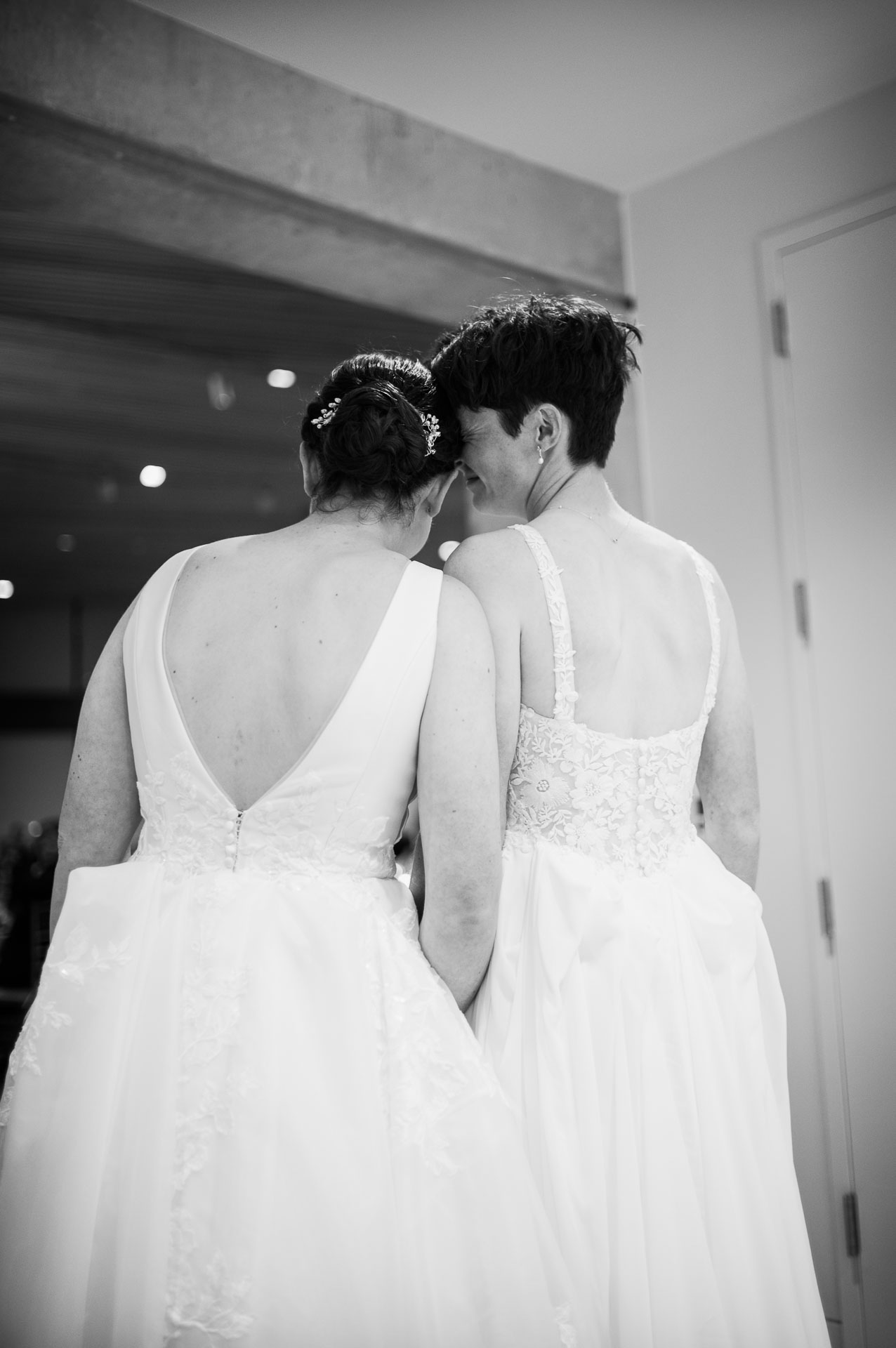
One of the biggest advantages of working with a documentary wedding photographer is that you do not have to spend the day performing.
Most couples are not professional models. They do not want to be told what to do every few seconds. They want to enjoy the wedding, be with their people, and not feel like the day has become a production.
That is exactly where documentary photography works best.
I do not need you to constantly look at the camera. I do not need you to repeat moments. I do not need every laugh to be staged or every exchange to be turned into a pose. In fact, the less you worry about me, the better the photographs usually become.
You also do not need to check on me or inquire whether I am having a good time. I will always be polite, friendly, and respectful, but I am not there as a guest. I am there to work hard, stay alert, and document the day for you. That means I am watching, listening, anticipating, and moving constantly, even when it looks like I am simply standing quietly in a corner.
My role is not to be part of the wedding day. My role is to preserve it.
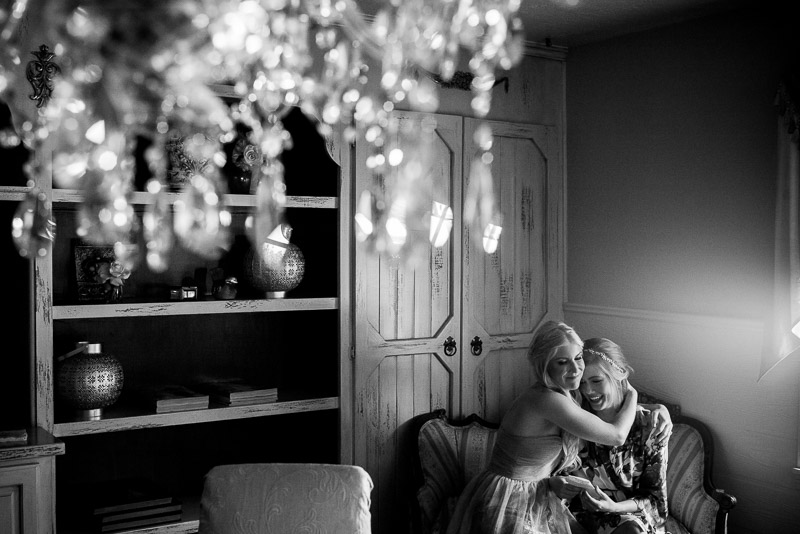
The best thing you can do is stay present. Talk to your people. Hold hands. Laugh when something is funny. Cry if you feel it. Take a calm moment together when you need one. The photographs come from that.
I often tell couples that their job is not to help me create photographs all day. Their job is to have a wedding. My job is to pay attention.
How I Work Before the Wedding Day
A documentary approach starts before I ever pick up a camera on the wedding day.
I want to understand the flow of the day, the key relationships, and anything that matters to you personally. I do not need to over-script everything, but I do want to know what is important.
That may include family dynamics, meaningful details, cultural or religious traditions, confidentiality issues, or parts of the day you especially care about. Some couples care deeply about the ceremony and family. Others care about the dance floor, the peaceful times of getting ready, or the venue’s feel.
I also look at the timeline with a practical eye. Not to take over the day, but to help identify where photography may need a little breathing room. A documentary photographer can work quickly, but light, travel time, family portraits, and transitions still matter.
Good preparation gives the day more freedom. When I understand the structure, I can work more instinctively and quietly.
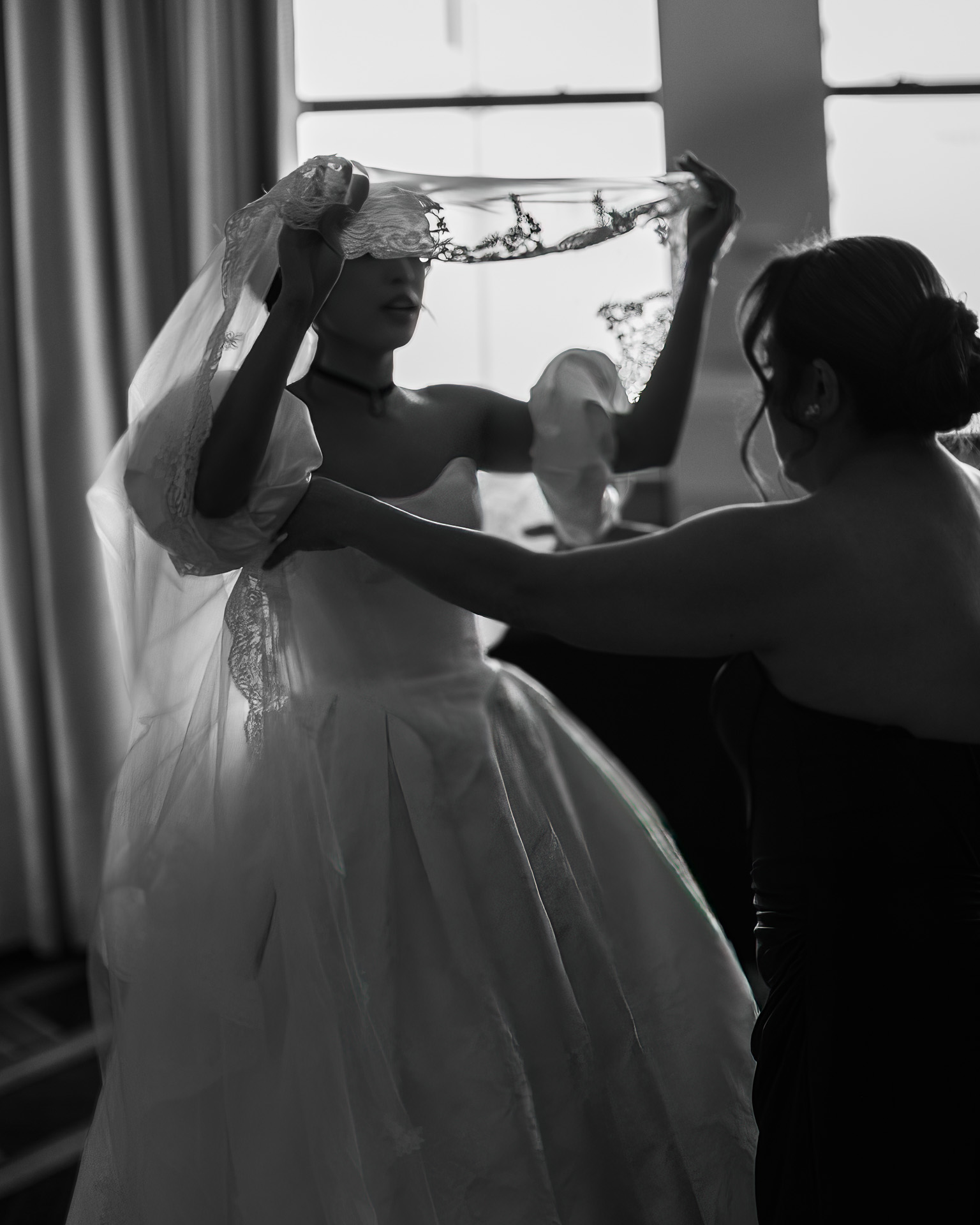
Getting Ready: Calm Observation, Not Interruption
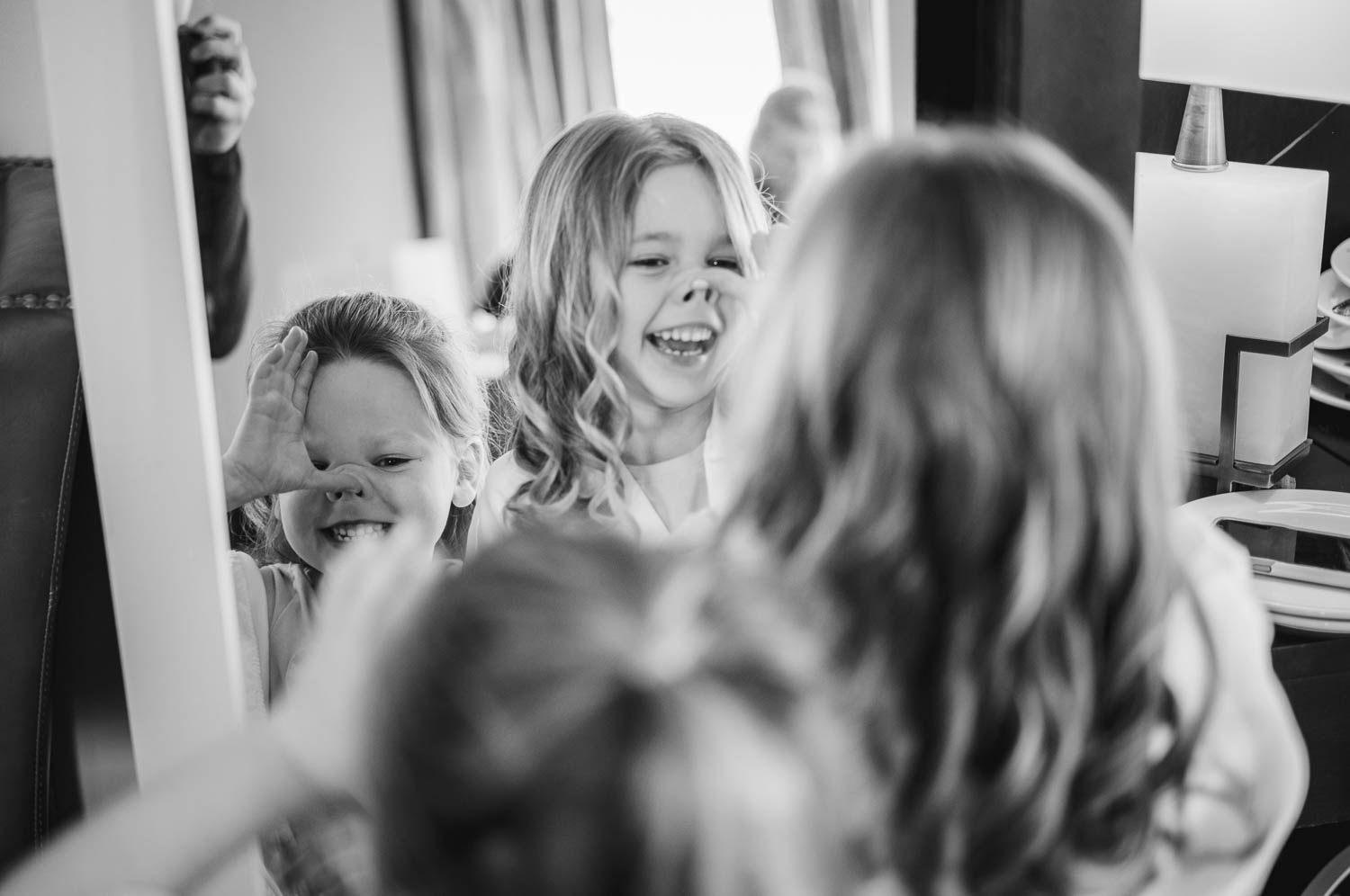
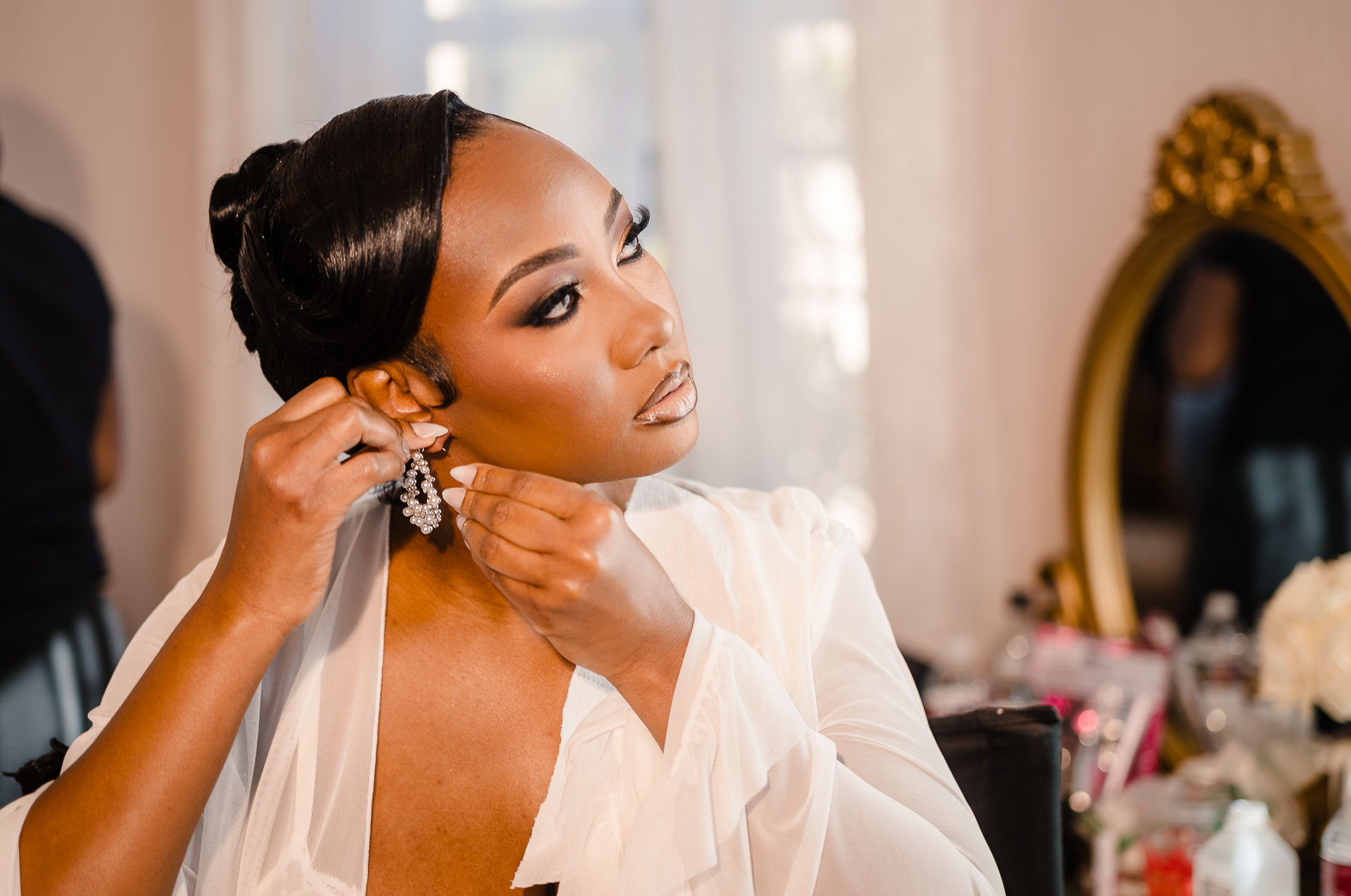
The getting-ready part of the day is often full of strong documentary moments. There is anticipation, movement, nerves, humor, and emotion. It is also one of the times when people can feel most aware of the camera.
My approach is low-key, but not cold or distant. When I arrive, I say hello, introduce myself, and usually crack a few silly jokes. It helps people relax and reminds everyone that the camera does not have to make the room feel serious. Once people realize I am open and not there to boss them around, they usually forget about me pretty quickly.
From there, I begin working quietly. I sense the atmosphere, watch how people are interacting, and start photographing what is naturally happening.
I do not stage the getting-ready scene. I will not rearrange the room, move people into fake positions, or ask everyone to pretend something is happening again. For me, once I start changing the scene, I am changing the story in my own mind, and that is not what I am there to do.
Yes, I know. I’m a little crazy about this.
But that restraint matters. If the dress is hanging where it was naturally placed, if shoes are under a chair, if makeup bags are scattered across a table, if someone is steaming a veil in a corner while everyone else is talking, that is part of the real atmosphere of the morning. It may not be perfect, but it is honest.
I photograph the real flow of the morning: makeup being finished, family members helping, friends talking, details being handled, people moving through the space. I am looking for the emotional mood of the morning, not just a checklist of objects.
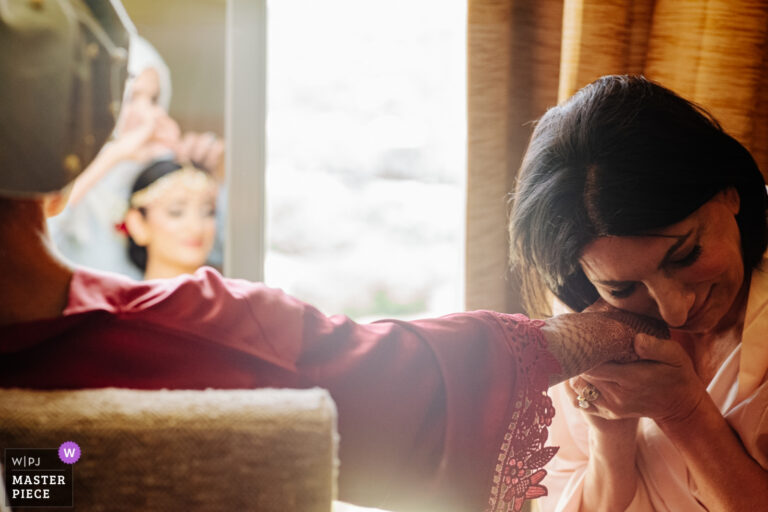
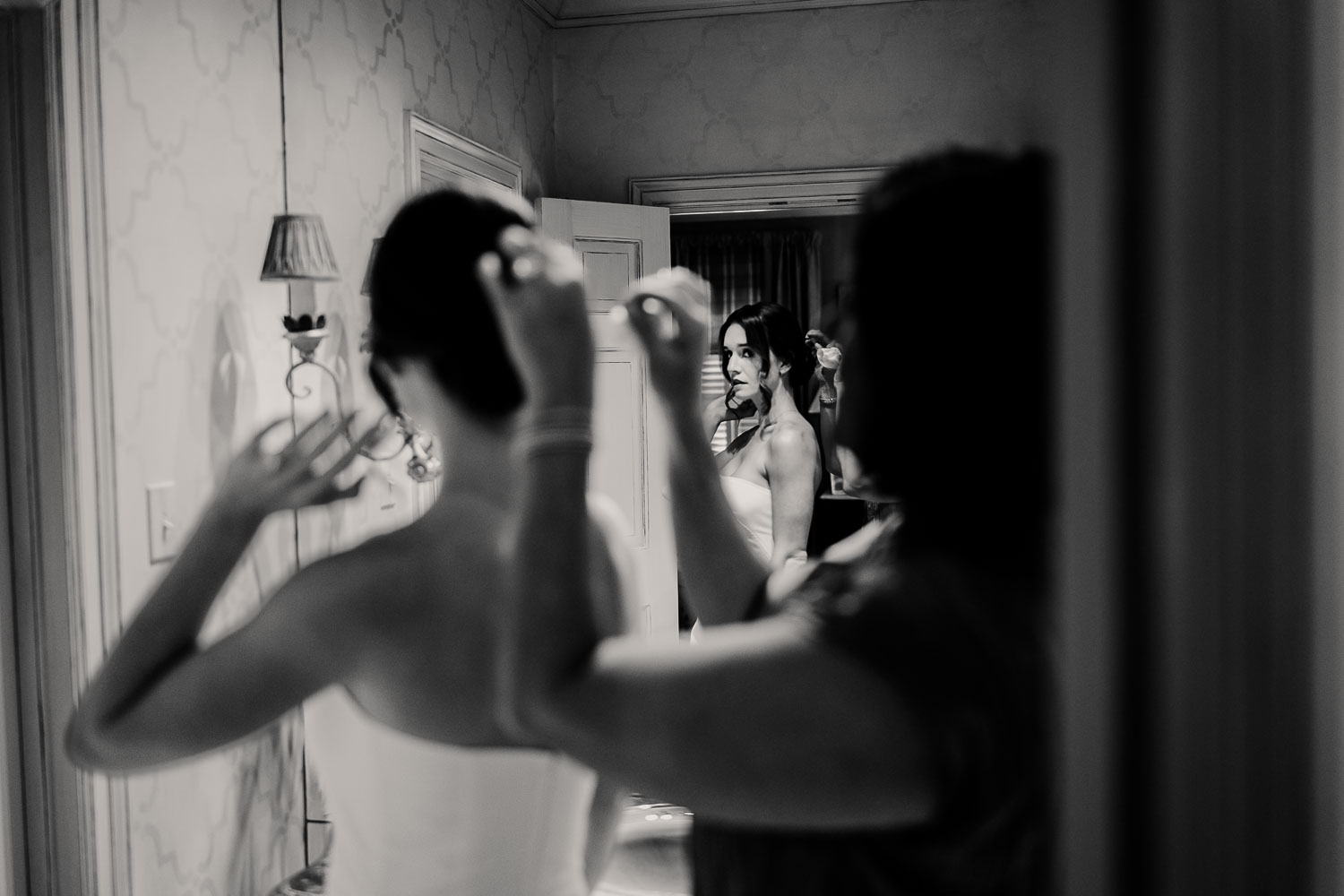
I am also listening. A laugh from the next room, a parent’s voice changing slightly, bridesmaids reacting to something, or someone arriving unexpectedly—these sounds often guide me to the next photograph. Documentary photography is not only about seeing; it is about being tuned in to the room.
That said, I may step in briefly if something genuinely practical will help and does not change the truth of the moment. If a detail needs to be photographed clearly, I may do that simply and then return to the flow of the day. If a parent is about to help with a dress or jacket, I may position myself so I can photograph it well without interrupting.
The difference is that I am not trying to direct the morning or improve it for the camera. I am not there to redesign the room or manufacture a cleaner version of the day. I am there to observe it, understand it, and preserve it as honestly as I can.
Once the room settles, I stay quiet and let the day find its own flow.
The Ceremony: Staying Quiet and Respectful
The ceremony is one of the most important parts of the wedding day, and it deserves respect.
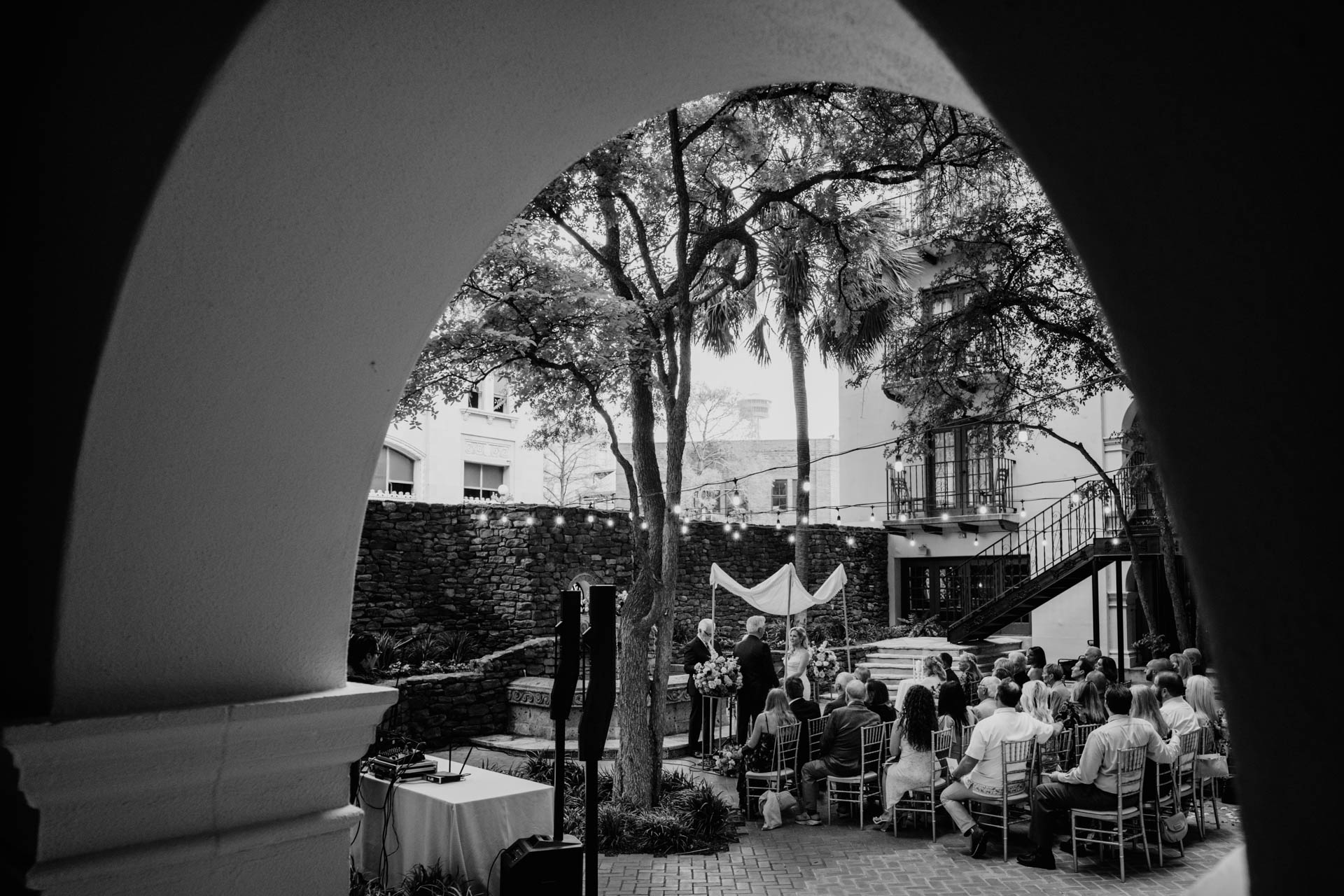
I photograph ceremonies quietly and unobtrusively. I do not want guests watching me move around. I do not want to distract the couple, the officiant, or the family. I am there to document, not to become part of the event.
Before the ceremony, I pay attention to where I can move, how the light is moving, and any restrictions that may be in place. Some churches and venues have strict rules. Some officiants prefer limited movement. I respect that.
During the ceremony, I am focused on timing and expectation: the processional, reactions, vows, hands, glances, laughter, tears, family responses, and the recessional. These are not moments to recreate later. They matter because they are real.
A documentary approach is especially important here. The ceremony is not a portrait session. It is the reason everyone has gathered.
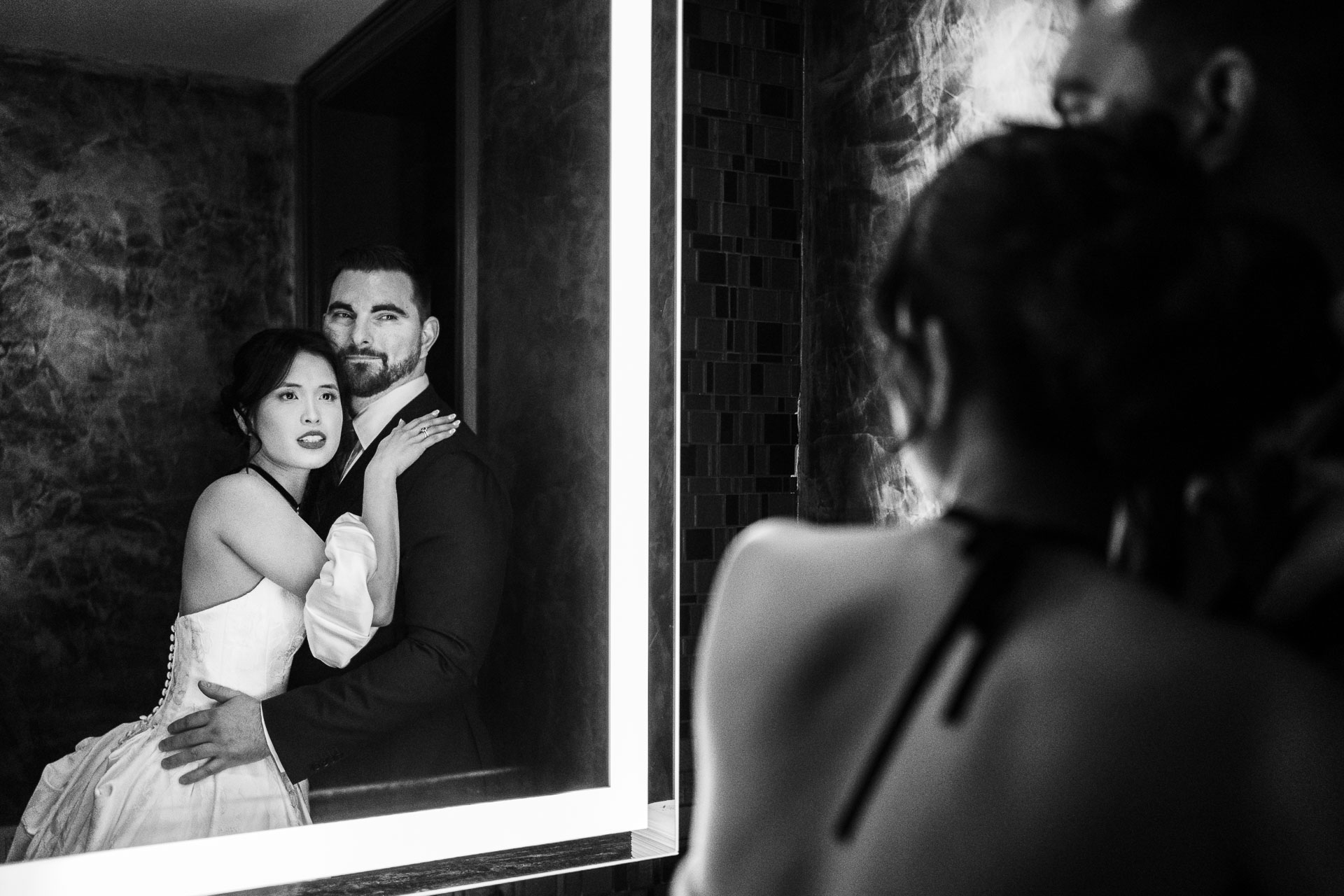
Couple Portraits: Light Guidance, Not Over-Posing
Most couples want at least a few portraits together, even if they are drawn to candid photography. I do too. The difference is in how those portraits are made.
I do not want your portraits to feel stiff or excessively posed. I usually give light guidance, place you in a favorable light, and let things progress naturally. I may ask you to walk together, stand close, hold hands, or simply take a few quiet minutes away from the crowd.
Often, the best portraits happen once the couple stops thinking too much about the camera.
I am looking for connection, not performance. A portrait can still feel documentary if it allows room for real expression. It does not need to look like a fashion shoot to be beautiful.
For most weddings, I prefer to keep the couple portraits relaxed and efficient. You should not feel pulled away from your wedding for an hour unless you truly want to. A short window with good light is often enough to create meaningful portraits while preserving the focus on the day itself.
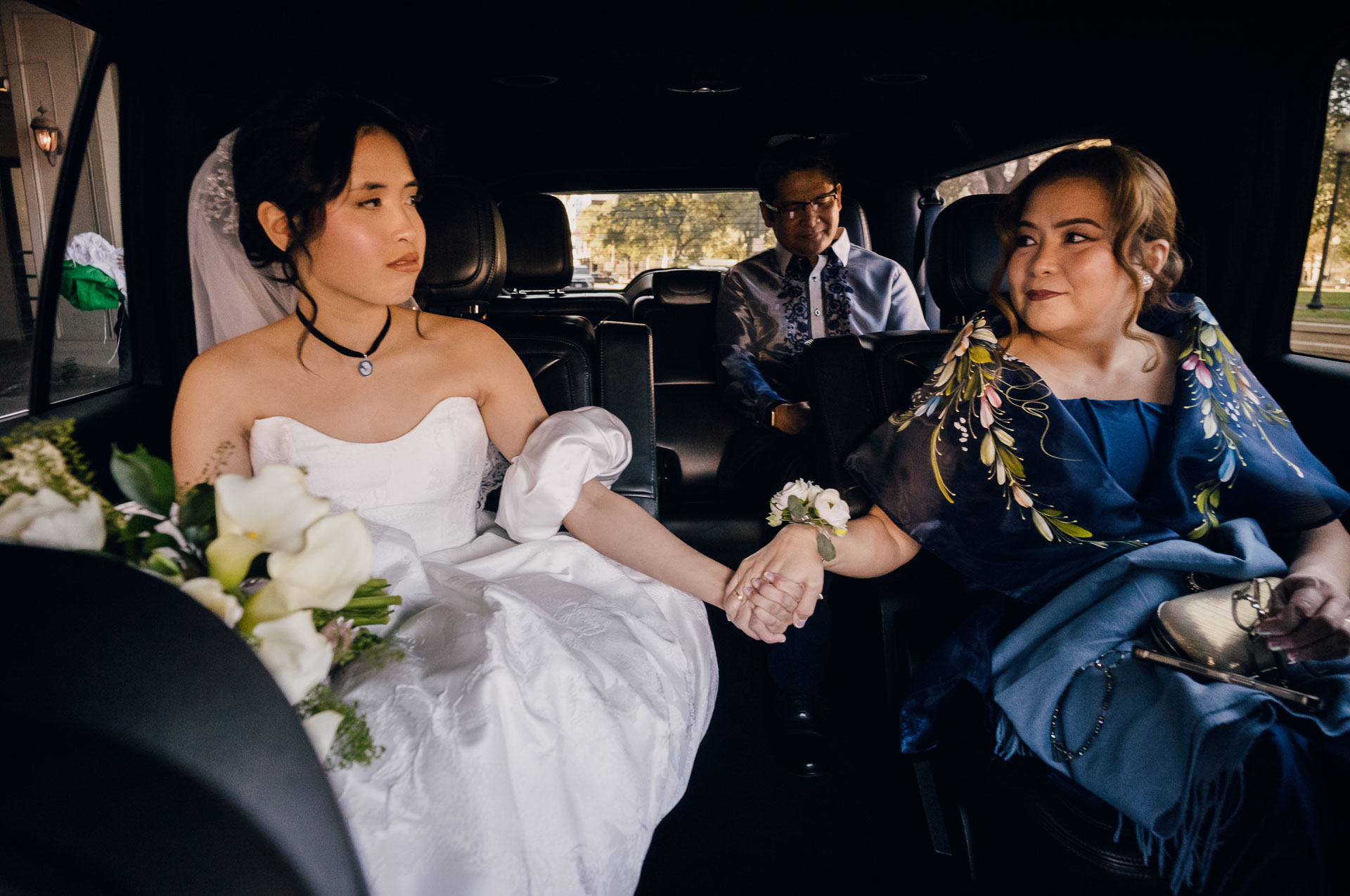
Family Photographs: Where Direction Matters
Even as a documentary wedding photographer, I believe family photographs matter.
These images may not be the most artistic part of the day, but they are often some of the most important photographs years later. Parents, grandparents, siblings, children, and close family members should be photographed clearly and respectfully.
This is one area where I do step in and direct.
The goal is to make family portraits efficient, organized, and painless. I recommend keeping the list realistic and focused on immediate family and essential groupings. Long portrait lists can take over the day and drain energy from everyone involved.
I will help position people, look for clean light, and work through the list as quickly as possible. This part of the day benefits from structure. Once it is done, everyone can return to the celebration.
Documentary photography does not mean avoiding necessary direction. It means using direction where it helps and not letting it dominate the wedding.
The Reception: Letting the Night Breathe
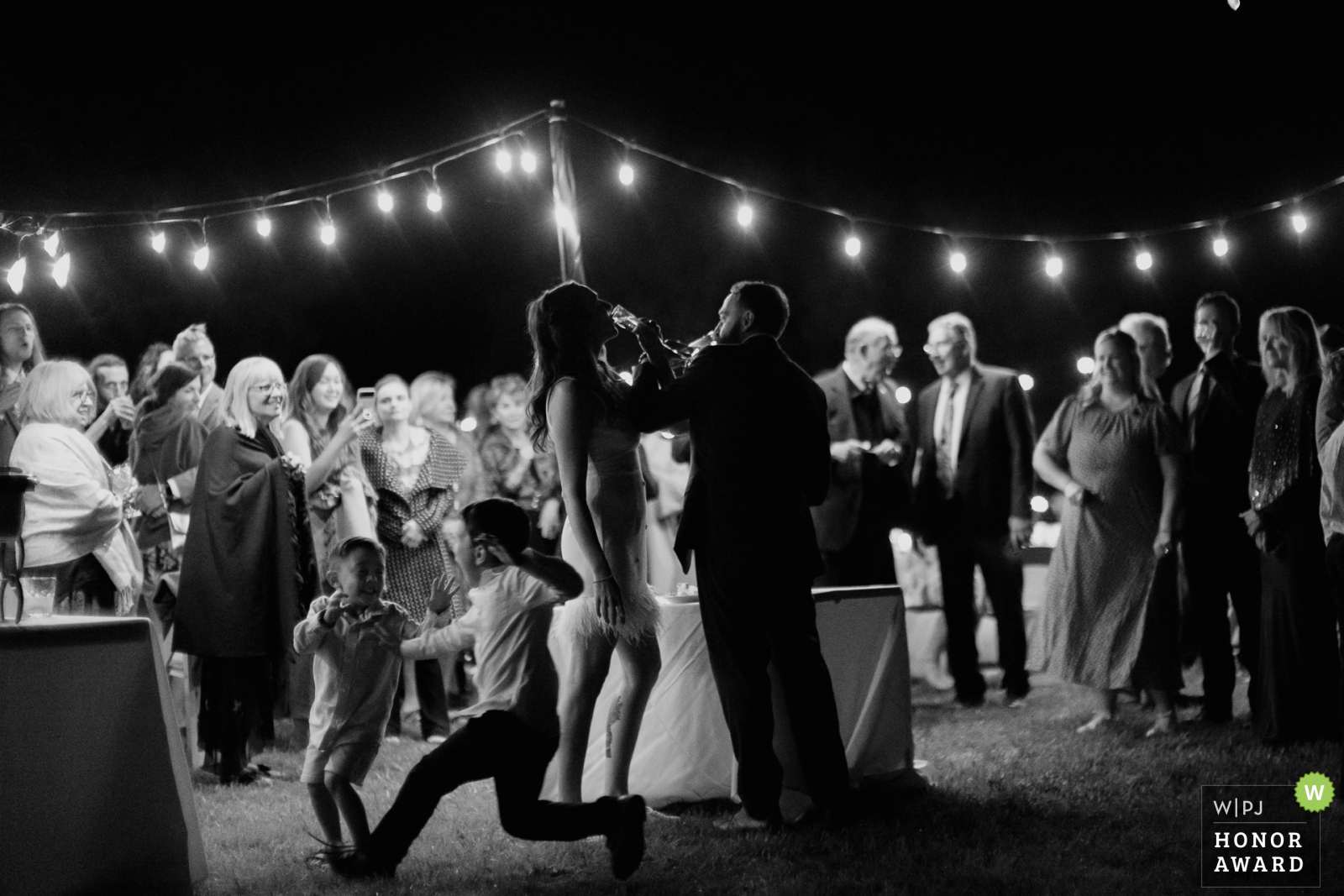
Once the formalities are finished, the room changes. Guests settle in. The pace loosens. People reconnect, children run around, grandparents watch from the edge of the dance floor, friends tell stories, and the couple finally gets to breathe.
At receptions, I do not use flash. That is both a sensible choice and an aesthetic one. I do not want to keep announcing myself with bursts of light, especially when people are relaxed, and the atmosphere is building naturally.
That said, my second photographer may use flash. That is a creative decision on their part and can bring a different kind of energy to the coverage, especially on the dance floor. I am not against flash. It is simply not how I personally work during receptions.
For me, working without flash is not simply on relying on a camera that performs well in low light. Good low-light photography still depends on finding the light and using it well. A camera may be able to see in the dark, but if the light is poor and unrelated to the subject, it can still look like a photograph taken in bad light.
I am always looking for where the light is falling, how it shapes a face, where it creates separation, and how a subject moves through it. Candlelight, window light, uplighting, DJ lights, ambient room light, or a small pool of light near the bar can all become part of the photograph if used carefully.
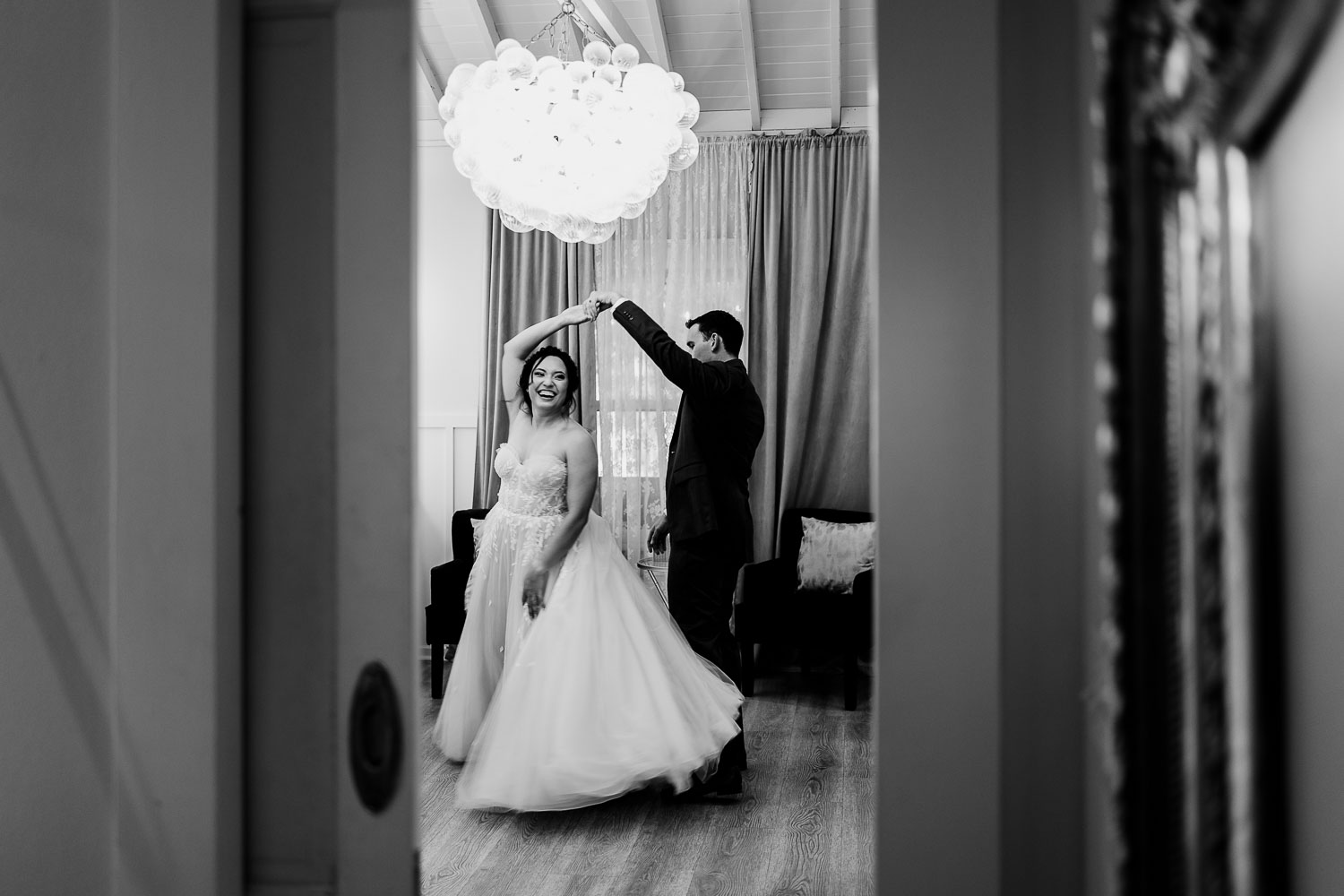
The first dance matters, of course. So do the speeches, parent dances, cake-cutting, and the dance floor. But often, the photographs that become favorites are smaller and less expected.
A laugh during a toast. A guest wiping away a tear. A couple exchanging a private look across a crowded room. A quiet conversation outside the main action.

When I Step In
A common misconception is that documentary photographers never direct anything. That is not quite true, but in my case, direction is kept to a minimum.
Most of the day, I do not step in. I am not rearranging scenes, asking people to repeat moments, or trying to improve real life for the camera. I am watching, listening, and anticipating.
The main time I step in is during the short, practical parts of the day that need a little structure: family group photographs and a few portraits of the couple.
Family photographs usually take around fifteen minutes when the list is realistic, and everyone needed is nearby. I work quickly, keep it organized, and try to make it as painless as possible. These photographs matter, but they do not need to take over the wedding.
Couple portraits are usually brief too, often five to ten minutes, depending on the light and the timeline. I may place you in good light, give a little guidance, and then let things unfold naturally. I am not trying to turn that part of the day into a long styled shoot unless that is what you want.
Outside of those short windows, I mostly leave things alone.
That does not mean I am passive. It means I am paying attention without interfering. For me, that is the balance: step in when structure genuinely helps, then step back and let the day continue.
When I Stay Quiet
Most of the day, I am observing.
I stay quiet when emotion is unfolding naturally. I stay quiet during private moments. I stay quiet when people are being honest with each other. I stay quiet when stepping in, which would damage the very thing I am trying to photograph.
That restraint matters.
If a parent sees their daughter fully dressed for the first time, I do not need to interrupt. If the couple is having a real moment together, I do not have to ask them to repeat it. If friends are laughing naturally, I do not need to make them look at the camera.
Staying quiet does not mean switching off. I am still watching and listening. A documentary wedding photographer needs to be tuned in to the whole room, not just the couple or the obvious action. Sometimes the best photograph is happening behind me, beside me, or just outside the main event.
Real moments have their own shape. My job is to recognize them and photograph them well.
This is where experience helps. After photographing weddings for many years, you learn when a moment is building. You learn how people move, when emotion is about to surface, and where to stand so the photograph has depth and meaning.
You also learn when not to force it.

How Couples Can Relax Into the Day
The best documentary wedding photographs come when couples feel comfortable enough to forget about the camera.
That does not mean you will never notice me. Of course you will. But I work in a way that allows you to return your focus on the people around you.
Build a timeline with breathing room. A rushed day creates stress, and stress shows. Even ten extra minutes here and there can make a difference.
Keep family portrait lists realistic. Large lists can quickly become exhausting. Focus on the combinations that really matter.
Trust the process. You do not need to constantly check whether something is being photographed. I am watching for those moments.
And most importantly, let go of perfection.
Things happen at weddings. Schedules change. Dresses take longer than expected. Weather changes. Children do what children do. Someone important may feel overwhelmed. A mother of the bride might be stressed and need to step away for a moment to catch her breath before the ceremony starts.
That is not a failure of the day. That is the day.
Weddings are full of emotion, pressure, joy, nerves, family history, and moving parts. Expecting everything to feel perfect from start to finish is a lot to ask of yourself. Sometimes the most honest photographs come from those very human pauses: the deep breath, the quiet reset, the hand on a shoulder, or the moment everyone gathers themselves and carries on.
Stay close to each other. Take small moments when you can. Let the day be real, not flawless. That gives the photographs something to hold onto.
What Makes a Strong Documentary Wedding Photograph
A strong documentary wedding photograph is not simply a candid snapshot.
It has timing, composition, emotion, and context. It tells you something about the people in the frame. It gives a sense of what the day appeared.
Sometimes that means a clean, simple image with one emotional gesture. Other times, it means a layered frame with several things happening at once. I am often drawn to those layers because they feel closer to real life. Weddings are rarely one-dimensional. There is constantly something occurring in the background, at the edge of the room, or just outside the main event.
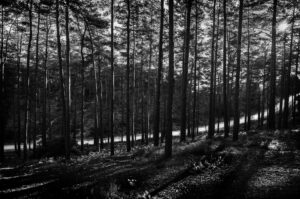
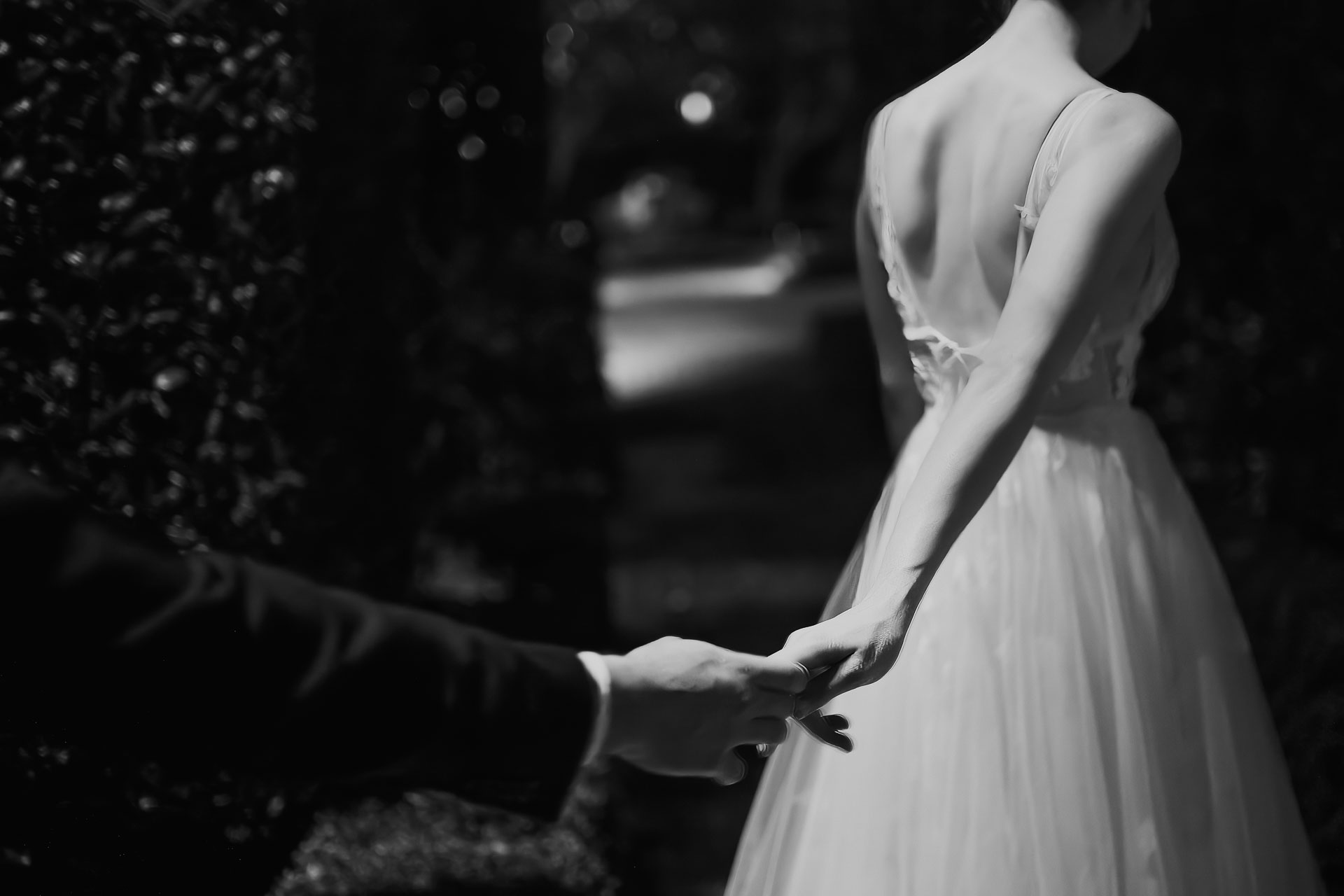
Light also matters. I pay close attention to natural light, available light, and the mood of a space. I love black-and-white photography because it strips a moment down to gesture, expression, and structure. But color has its place too, especially when it adds atmosphere or helps describe the setting.
The goal is not to make every image look the same. The goal is to create a body of work that feels honest, elegant, and emotionally complete.

Documentary Does Not Mean Messy
Natural photography should still be thoughtful.
I care about composition. I care about clean backgrounds when possible. I care about timing, light, and the final edit. Documentary photography is not an excuse for careless work.
The difference is that I am not trying to make the day look artificial. I want the photographs to feel polished without feeling forced.
That balance is important.
Your wedding photographs should be beautiful, but they should also feel like they belong to you. They should not look as if they could have been made at anyone else’s wedding with any other couple.
Privacy, Discretion, and Trust
Many couples want a photographer who can work quietly and respect the day’s privacy. That has always been part of how I work.
Whether I am photographing a wedding, a private event, or unit stills and behind-the-scenes work on a film or commercial set, discretion matters. People need to feel comfortable. The photographer should not disrupt the room.
For weddings, that means being aware of private moments, sensitive family situations, and the event’s overall tone. It also means understanding when images should not be shared publicly without permission.
Trust is a major factor in hiring a documentary wedding photographer. You are welcoming someone into personal spaces and meaningful moments. The work should be handled with care.

What do you receive after the wedding?
After the wedding, my work continues with editing, sequencing, and delivery.
A documentary wedding gallery should clearly tell the story of the day. It should include the expected moments, as well as the in-between images that make the day feel alive. I look for photographs that have emotional value, visual strength, and long-term meaning.
The final gallery is not only a collection of random candid shots. It is an edited body of work. The sequence matters. The rhythm matters. The balance between people, place, emotion, details, and atmosphere matters.
Years later, I want couples to be able to look through their photographs and remember not only what the day looked like, but what it felt like.