Henri Cartier-Bresson and the Discipline of Seeing
A personal essay on Cartier-Bresson’s influence, with my images inspired by HCB, from geometry and the decisive moment to patience, restraint, and learning to see as a documentary photographer.
EARLY YEARS
Henri Cartier-Bresson, a co-founder of Magnum, is considered by many to be the founder of photojournalism.
The following outlines my takeaways from the master and how you can implement his approach in your own work. What was it that captivated my heart and so many others around the world? I’m a wedding photojournalist, so much of what I have written below is geared toward that genre, but you can use it toward whatever you like to shoot.
To this day, his work mesmerizes me. His stunning street photography from the 1930s was the first of his works to floor me; it is and still is so visually exciting. One of the early owners of a 35mm Leica rangefinder, Henri Cartier-Bresson, is, in my opinion, the master of unposed or candid photography.
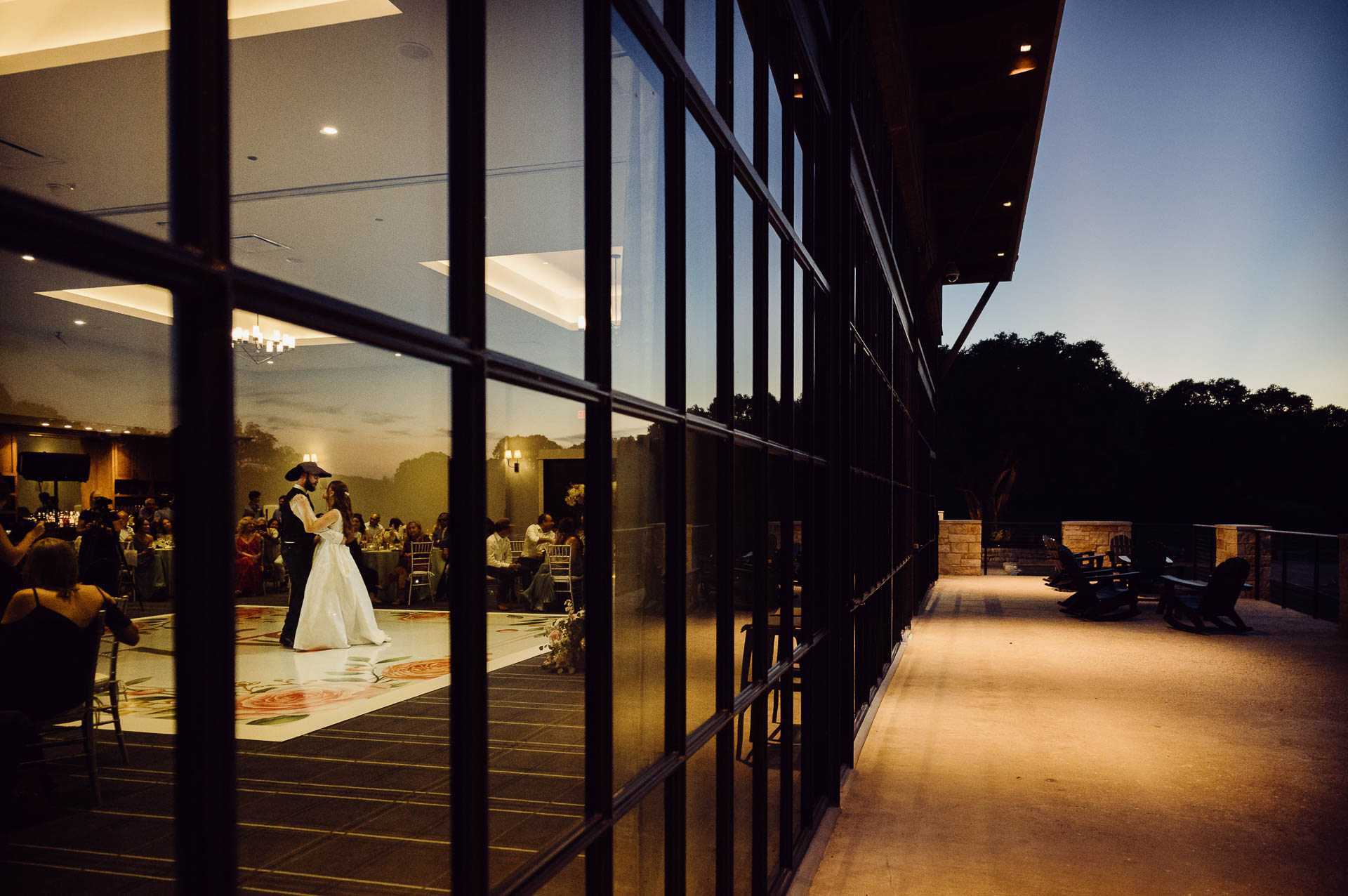
“One eye of the photographer looks wide open through the viewfinder, the other, the closed looks into his own soul.” – Henri Cartier-Bresson
FIRST LOVE: PAINTING
HCB loved to paint, initially learning from his Uncle, who was in the First World War. In 1927, he studied under the tutelage of Cubist painter and sculptor André Lohte. Lohte was a highly influential art teacher and writer. Bresson became discouraged, though, with Lohte’s mixture of Cubist rigidity and classical ways of seeing. However, this early training at a private school helped him see and react to framing in his images.
Starting as a painter, even years later, as a photojournalist, he described himself as a surrealist and a painter, his true love that he would return to later in life. HCB befriended many artists, including Max Ernst, a member of the Surrealist movement, and found inspiration in the work of Eugène Atget. I have one of Atget’s books, ‘Paris’, an astonishing page-turner. Henri Cartier-Bresson was asked what makes a great composition. His answer was geometry. Geometry! If only it were as easy as this. Bresson was a self-described surrealist, but Robert Capa told him to call himself a documentary photographer if he was to get work.
By the early ’40s, during the Second World War, HCB was caught by the Nazis, escaping on the third attempt, a spectator to Stalin and China’s workforce, and one of the last photographers to photograph Gandhi before his assassination.
LEARNING TO SEE
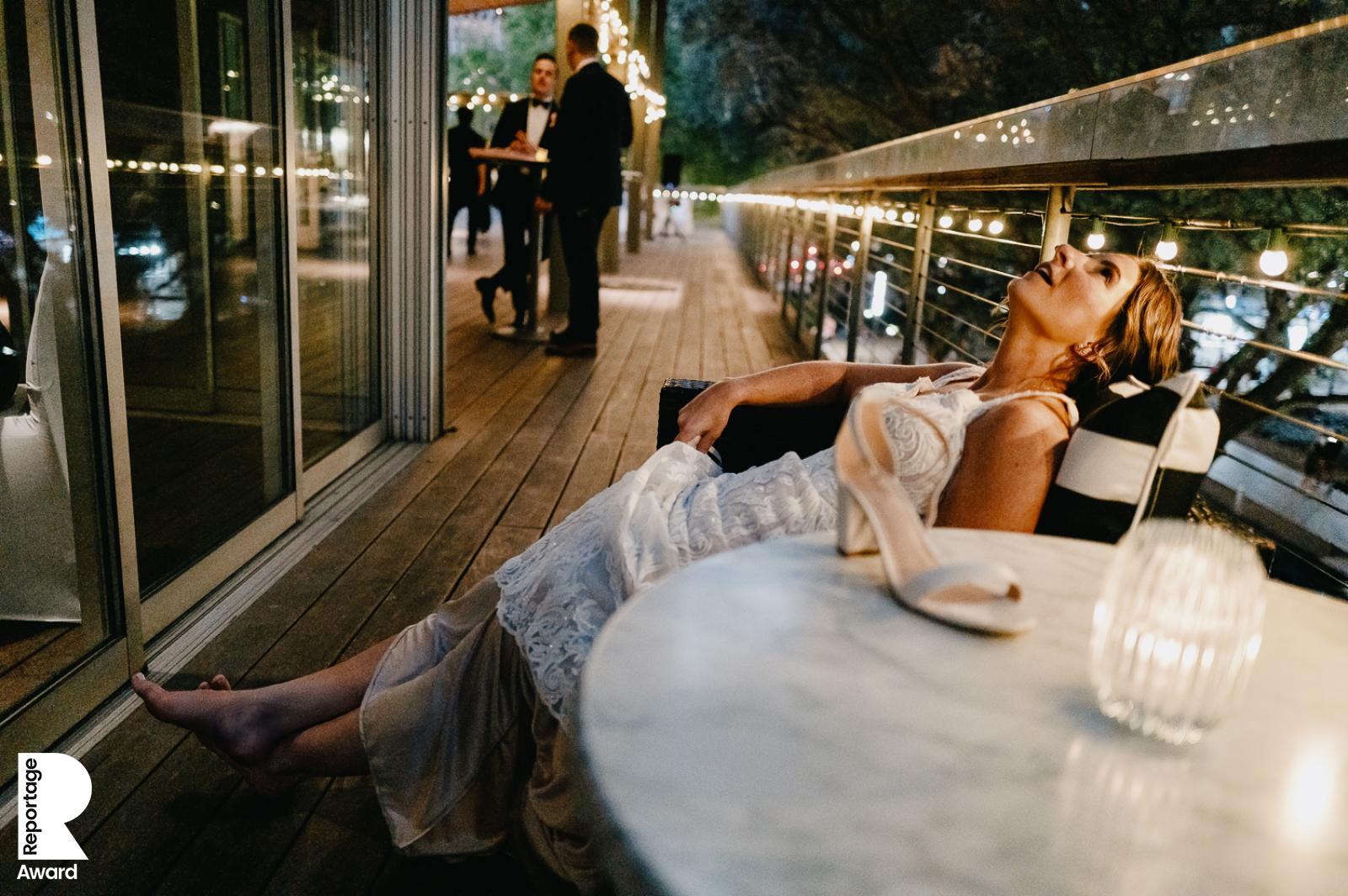
Henri Cartier-Bresson remains one of the world’s best photographers and taught me to learn to see. Those fleeting moments, geometry, light, working with people, my body language, emotion, and sensitivity. As a wedding photojournalist, Henri Cartier-Bresson has helped me reflect on my mindset, the hurdles of wedding photography, and how to remain true to myself. It’s easy to get influenced by trends and wedding clichés. I have ignored those. After all, a good photograph is still a good picture and should stand the test of time.
DYNAMIC SYMMETRY
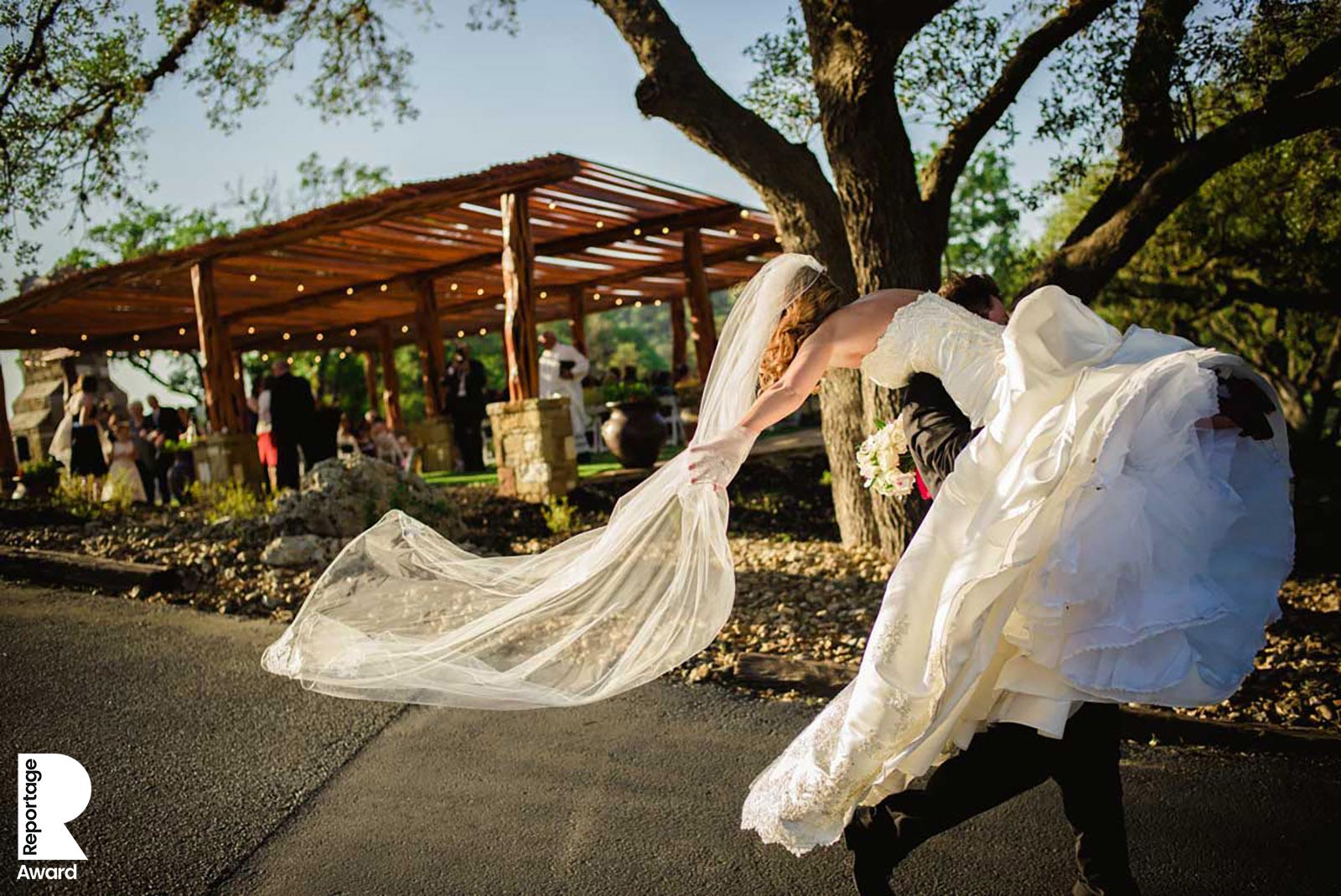
Many artists, including photographers, have discovered the power of geometry and how to use it in their work. Geometry is what makes a great picture, bringing harmony and balance. It’s called dynamic symmetry or Gestalt principles. The best photographers learn from master painters. Many photographers who use this method of composition are world-renowned documentary and street photographers, such as Steve McCurry.
For example, you can go back in time and see how the Fibonacci spiral (also known as the Golden Ratio, golden rectangle, or golden spiral) has been observed throughout history and in nature. A few of my master painters and artists are Degas, Renoir, Seurat, Kandinsky, and pretty much the Impressionist movement.
THE IMPASSIONED EYE
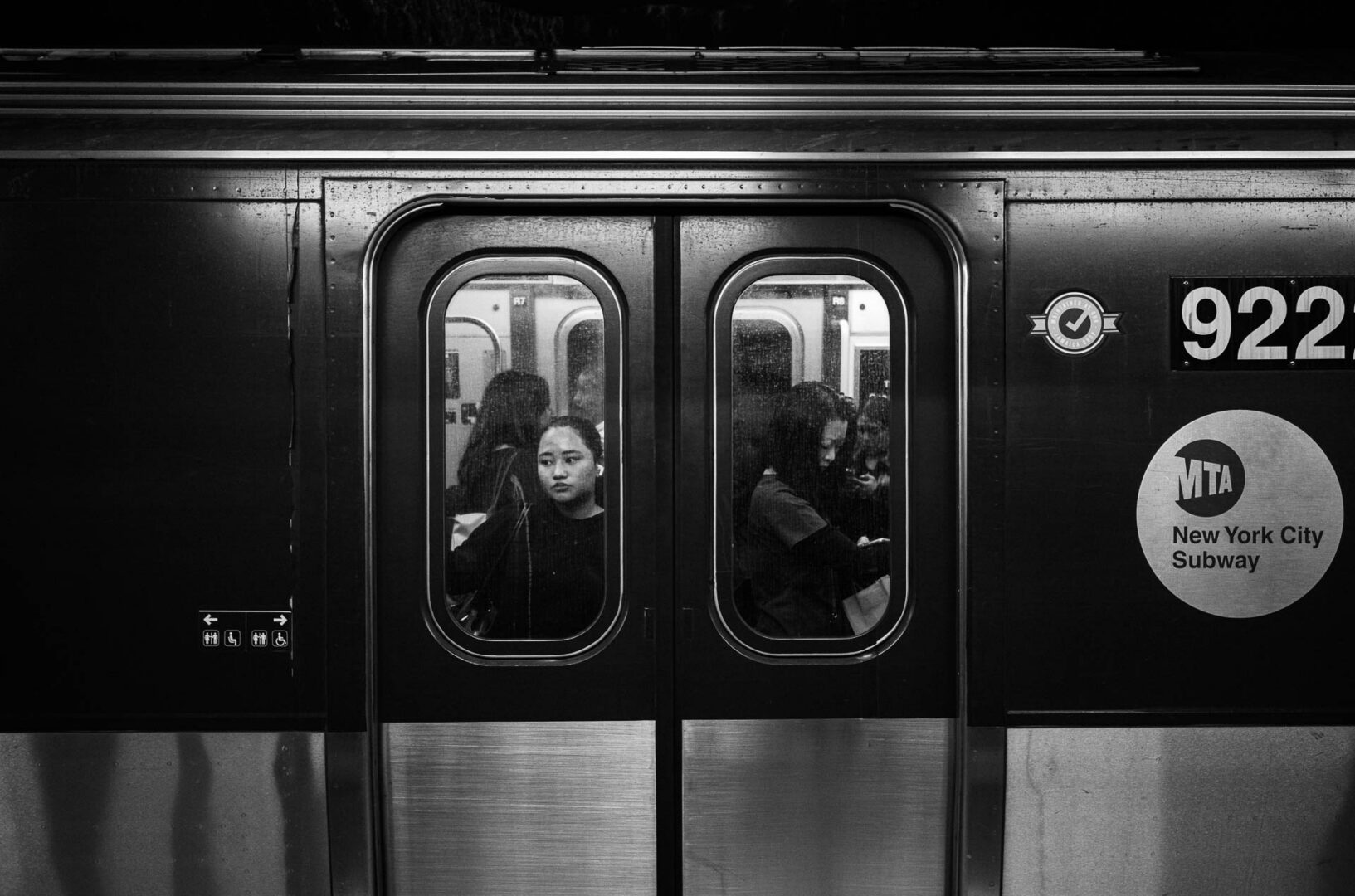
A great interview with HCB is in this movie, The Impassioned Eye, on DVD. Henri Cartier-Bresson, if I recall, interviewed at the pre-opening of one of his galleries about what makes a great composition. Geometry was his one simple answer.
I was watching an interview where HCB commented on how geometry is incredibly important. Reframing, or taking a brief moment to recheck the frame, can make the difference between a fabulous photograph and an ordinary one.
You can sometimes find the video on YouTube. My studio is chock-full of photographers I have learned about through art galleries, annual events like the World Press Photo Awards, movies, and a few blogs I follow.
What I love about his work is how he rarely cropped images and had contempt for them. By focusing on geometry, lines, and the rhythm of imaging, and by studying HCB’s work, you will improve your shooting subconsciously. I believe that a gift has to be nourished and grown, and you’re not necessarily born with it. Photography is a craft, and it has to be taught by learning from mistakes and learning from the masters.
Pressing the camera button is the easiest thing to do. To me, it seems wedding photography comes so naturally to so many who have never captured a wedding. But this is far from the truth. When Bresson was asked if you’re born with a sense of design, his answer was that it has to be developed. You have to find the ‘decisive moment’.
SHOOT WITH PURPOSE
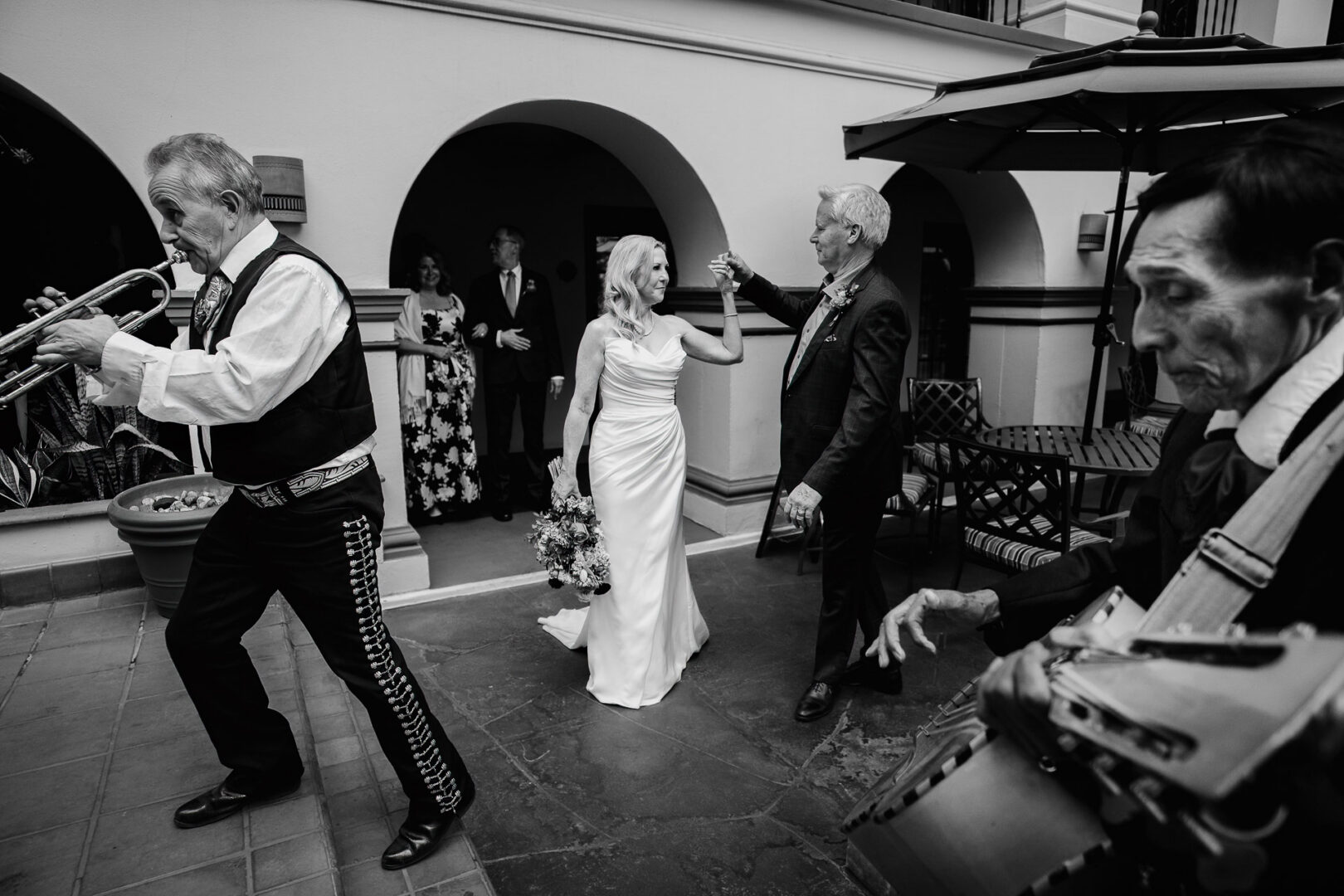
Have you heard of the photographer’s expression, ‘Shoot and spray’? The term “snap ” is sometimes used by photographers to capture images quickly by aiming the camera in random directions at a high rate of continuous shooting to get the shot. In my opinion, this is not the way to improve your compositions.
Perhaps in a sports situation, this might be helpful. But rarely needed, it’s better to shoot with purpose. Just because we can now capture in digital and take hundreds of images in a minute doesn’t mean we should. Let alone the noise and distraction that is made by the sound of the shutter count.
Photography is a craft and has to be discovered over time. There are no shortcuts, and it’s better to shoot with determination. By slowing your capture rate, you can think and study composition through the viewfinder. With time and exploring the masters, it will come subconsciously.
I shoot with Leica gear and, over the last 10 years, have shot with the M9, M(240), M10, and now the M11 and Q3. These rangefinder cameras have forced me to slow down. The cameras have only manual exposure and manual focus, so composition is first and foremost. I’m not advocating for buying a Leica! Go pick up any 35mm film camera, load it up with a 36-exposure roll, and try it.
HOW TO IMPROVE COMPOSITION
Bresson mostly used a Leica and a 50mm lens. I think he also used a 35mm lens at some point, but the 50mm was the lens of choice. Occasionally, later in the sixties, Bresson shot in color for publications when he had little opportunity to do so, but mostly in monochrome.
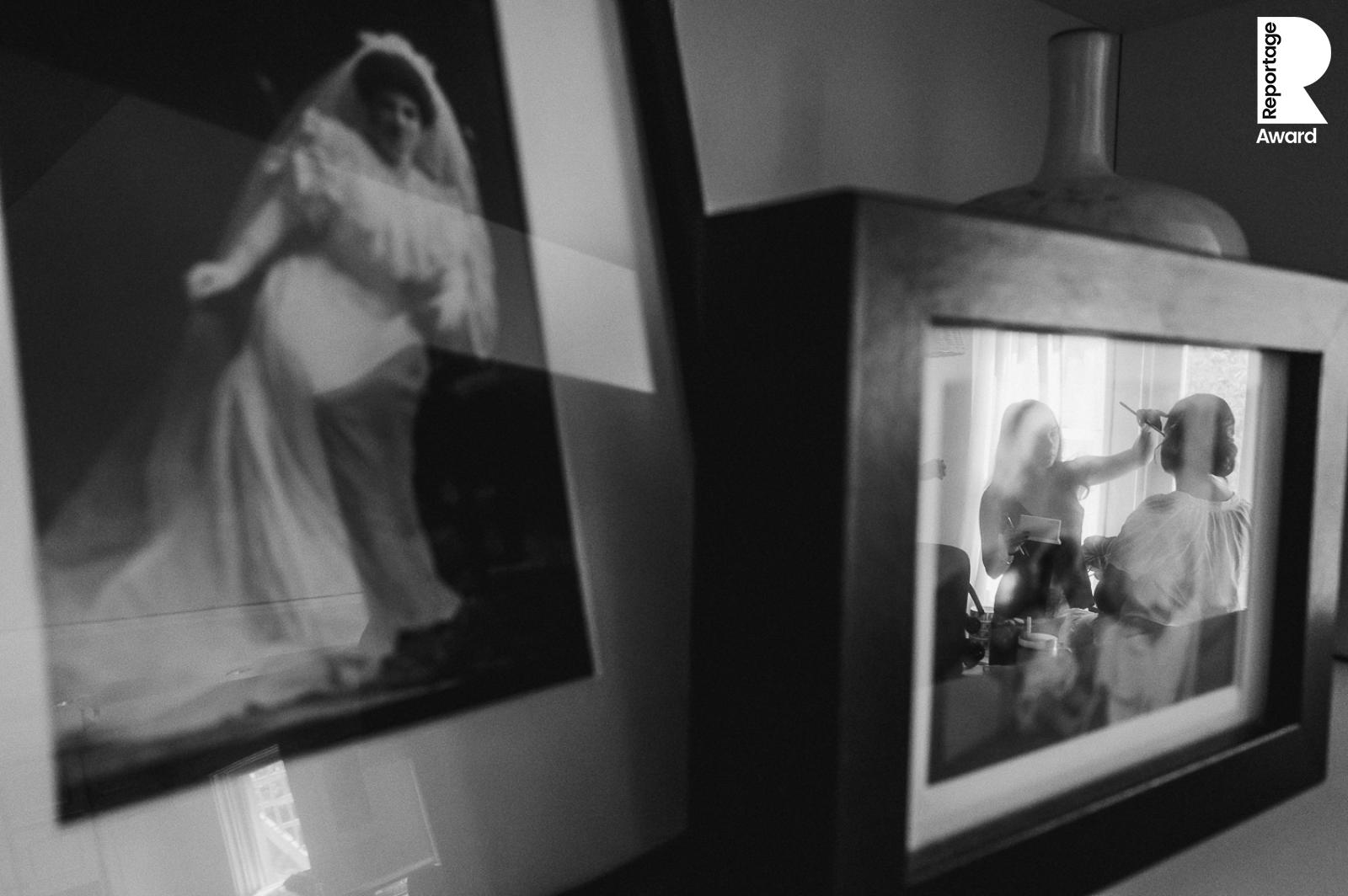
I love the 35mm perspective, and it’s my most used lens. If you want to improve your composition, apart from studying the master painters and artists the following method. Use a prime lens, not a zoom, to learn perspective instinctually. A fixed lens will become instinctual as your brain memorizes the angle. A zoom lens can be counterintuitive, with just too many choices! A prime lens, on the other hand, is generally sharper, cheaper to purchase, and lets in more light than a variable zoom aperture. The fixed perspective makes the images look exciting and dynamic. Things shift and open up your mind with the prime lenses.
In my wedding work, I rarely use long telephotos or huge zooms because it’s intrusive, and I want to blend in as much as possible. I do not use flash brackets or use flash at a wedding. I don’t have heavy cameras around my neck. I have been through the whole gear-purchasing thing, and I’m over it. More and more gear doesn’t help you become a better photographer. Camera manufacturers, of course, have a different opinion. They want your hard-earned cash! Education is what will make you a better photographer.
Bresson mostly used a Leica and a 50mm lens. How refreshing!
Learn the craft first. Be absorbed in ‘life’ rather than your gear. See more here
FINAL THOUGHTS
Sometimes the moment happens, and it would be incredible to catch every single moment. Of course, that’s not always possible. Bresson has taught me that with patience, you can get the shot you want. I used to put myself under insane pressure about not missing the shot. After purchasing this fantastic book, Magnum’s ‘Contact Sheets’, I realized that some of the most famous photographs were captured by working the scene.
There are three types of shooting methods in street photography and in wedding photography. Anticipation or foresight is one of the most powerful tools. Henri Cartier-Bresson said you have to be ready and waiting for the moment to happen but be unobtrusive. He explained that sometimes you might have to wait for all the elements to come together before pressing the shutter.
Confrontation is a second tool you might use instead of waiting for the peak moment. As soon as the subject looks at the camera, you take the image.
The last is a random approach/ For example, holding the camera at the hip level and shooting. This is a method I started with street photography before I dared to hold the camera to my eye and look strangers in the face. You can get some interesting shots, although you have less control over composition. Use your instincts when the moment happens.
Thanks for reading. Let me know if you have any comments below, and share your thoughts.
Philip Thomas